
Heteranthera multiflora
Heteranthera multiflora
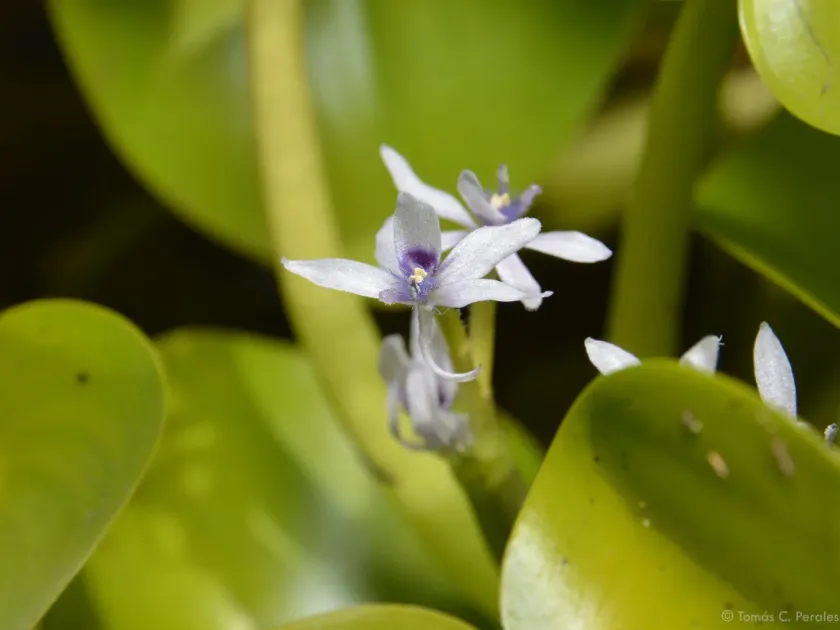
Description
Sowing dates
Heteranthera multiflora is a fascinating aquatic plant belonging to the Pontederiaceae family. It is primarily used in tropical aquarium settings and specialized aquatic landscapes where a bushy, aesthetic appearance is desired.
Propagation is typically achieved through stem cuttings. To plant, simply take a healthy lateral shoot and insert the base into a nutrient-rich substrate, ensuring the nodes are covered by the soil to encourage root development.
Optimal planting occurs in a stable aquatic environment with temperatures ranging from 22 to 26 degrees Celsius. Initial root development is critical, requiring a substrate that is porous enough to allow aeration.
The planting distance between individual stems should be sufficient to allow light to penetrate to the lower leaves. If planted too densely, the lower parts of the stems may decay due to a lack of light and circulation.
While the plant can grow from seeds in natural habitats, in artificial cultivation, vegetative propagation is the standard method due to its efficiency and the preservation of the genetic traits of the parent plant.
Growing requirements
Light intensity is the most significant factor for the successful growth of Heteranthera multiflora. It thrives under high-intensity full-spectrum lighting, which prevents the stems from becoming leggy and pale.
Water parameters should ideally be soft to moderately hard, with a pH level between 6.5 and 7.5. Consistent water chemistry is vital, as sudden changes in parameters can lead to immediate leaf shedding and growth stunting.
Nutrient supply is essential for maintaining vibrant growth. The plant benefits significantly from the regular addition of micronutrients, particularly iron, which is necessary for proper chlorophyll synthesis and coloration.
Water circulation should be gentle. Strong currents can damage the delicate stems of the plant and lead to uprooting, especially before a strong root system has been established in the substrate.
Temperature stability is paramount. The plant does not tolerate wide fluctuations, so maintaining a constant thermal environment is key to ensuring that the plant reaches its full potential in an aquarium or water garden.
Main diseases and pests
Algae infestation is the primary threat to Heteranthera multiflora. Epiphytic algae can easily cover the broad leaves, preventing photosynthesis and ultimately causing the plant to wither and die.
Nutrient imbalances, particularly high nitrate levels without sufficient phosphate or CO2, can lead to abnormal growth patterns. This makes the plant vulnerable to secondary infections by water-borne pathogens.
Pests such as snails, when present in high populations, can consume the leaves, leading to unsightly holes and weakened plant structure. Biological control or manual removal is necessary in such cases.
Mechanical injury during routine maintenance often leads to localized necrosis. Any damaged parts should be removed promptly to prevent the spread of decay to the healthy parts of the plant stem.
Deficiency diseases, such as chlorosis, often manifest as yellowing of the leaves. This is usually corrected by adjusting the micronutrient dosing, specifically increasing the availability of iron and magnesium in the water column.