
Kidney-leaf mud-plantain
Heteranthera reniformis
Description
Growing requirements
Heteranthera reniformis, commonly known as kidney-leaf mud-plantain, is a creeping aquatic plant belonging to the Pontederiaceae family. It is native to the tropical and subtropical regions of the Americas, thriving in shallow waters and damp, muddy riparian zones.
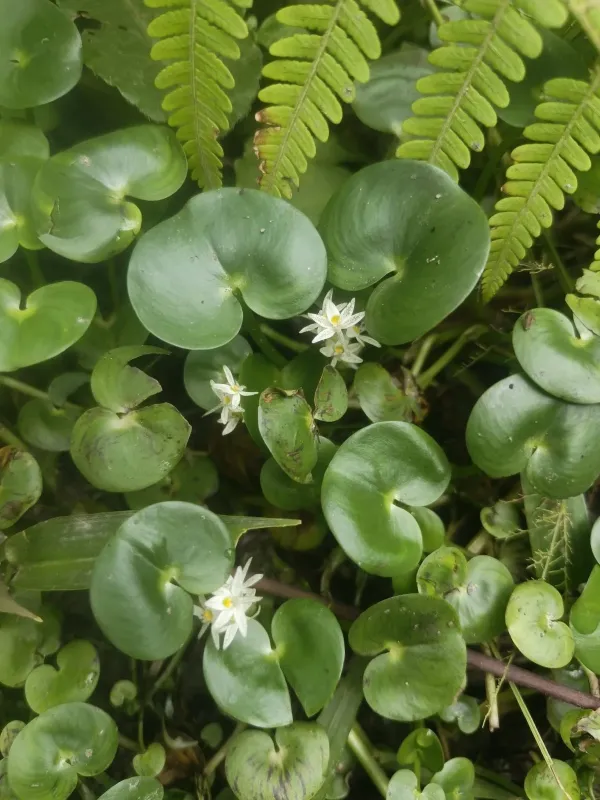
The plant is characterized by its prostrate stems that root at the nodes. The leaves are kidney-shaped (reniform), supported by long petioles, and exhibit a bright, vibrant green color that makes them highly appreciated in aquatic landscaping and botanical studies.
Cultivation of this species requires a stable environment with temperatures between 20°C and 28°C. High light intensity is crucial, as low-light conditions cause the plant to become leggy and lose its characteristic compact growth habit.
The ideal substrate should be nutrient-rich and slightly acidic to neutral. In agricultural or ornamental settings, a loamy or silty soil mix is often used to ensure proper development of the extensive fibrous root system typical of this hydrophyte.
While primarily recognized as an ornamental, it is occasionally managed as an invasive or weed species in rice paddies in certain regions. Agricultural management focuses on water level manipulation and physical clearing to prevent overgrowth in irrigation channels.
Main diseases and pests
One of the primary threats to Heteranthera reniformis is the imbalance of water parameters, specifically sudden shifts in pH and hardness. Such fluctuations lead to rapid leaf decay and a decline in overall plant vigor.
Fungal infections, often occurring in environments with stagnant water and excessive decaying organic matter, can severely impact root health. Maintaining a flow of clean, oxygenated water is essential for disease prevention.
Algal blooms pose a significant threat to the survival of mud-plantain. Rapidly growing algae compete for light and mineral resources, often smothering the delicate leaves of the plant, which requires prompt mitigation.
Invertebrate pests, particularly various species of freshwater snails, can cause significant damage to the leaf tissue. Integrated pest management, including physical removal or biological controls, is often necessary for maintaining health.
Nutrient deficiency, specifically a lack of iron or trace minerals, often results in leaf chlorosis. Regular testing and supplementation are required to maintain the aesthetic and physiological health of the plant culture.