
Water stargrass
Heteranthera dubia
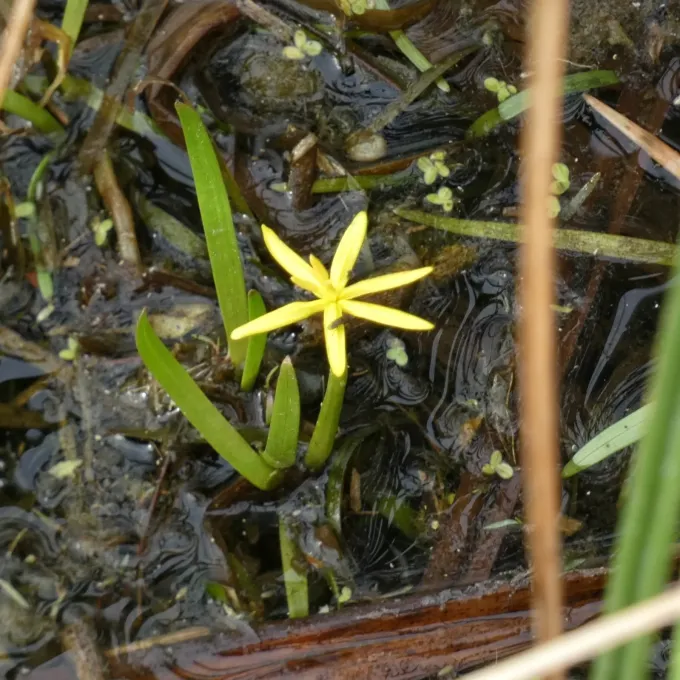
Description
Growing requirements
Water stargrass (Heteranthera dubia) is a perennial aquatic plant belonging to the Pontederiaceae family. It is native to North America, where it thrives in various freshwater habitats ranging from rivers to still ponds.
The plant is characterized by its long, thin stems and submerged leaves that can grow quite densely. It produces small, yellow, star-shaped flowers when the stems reach or break the water surface, which is a key identifying trait.
For successful growth, this species requires a stable aquatic environment with temperatures ranging between 68 and 80 degrees Fahrenheit. High light intensity is crucial, as it directly influences the density and coloration of the foliage.
The plant prefers a nutrient-rich substrate that provides essential minerals for the roots. It is adaptable to various water hardness levels but performs best in slightly acidic to neutral water conditions with consistent circulation.
In agricultural and ornamental settings, this plant is valued for its rapid growth rate and its ability to act as a natural water purifier by absorbing excess nitrates and phosphates from the environment.
Main diseases and pests
A major threat to the health of water stargrass is the encroachment of nuisance algae, such as hair algae, which can easily overgrow the stems and deprive the plant of necessary light.
Invertebrate pests, particularly certain species of aquarium snails or aquatic insects, may feed on the tender young growth, leading to ragged leaves and stunted development.
Environmental stress, such as sudden shifts in pH or temperature, can weaken the plant, making it prone to opportunistic bacterial infections that cause stem rot.
Nutrient deficiency, specifically a lack of iron or potassium, can lead to chlorosis, where the leaves become pale or translucent, eventually resulting in tissue necrosis if left untreated.
Effective management includes regular monitoring of water parameters, ensuring adequate fertilization, and promptly removing any decaying or infested stems to keep the colony healthy.