
Semi-pinnate whitebeam
Hedlundia semipinnata
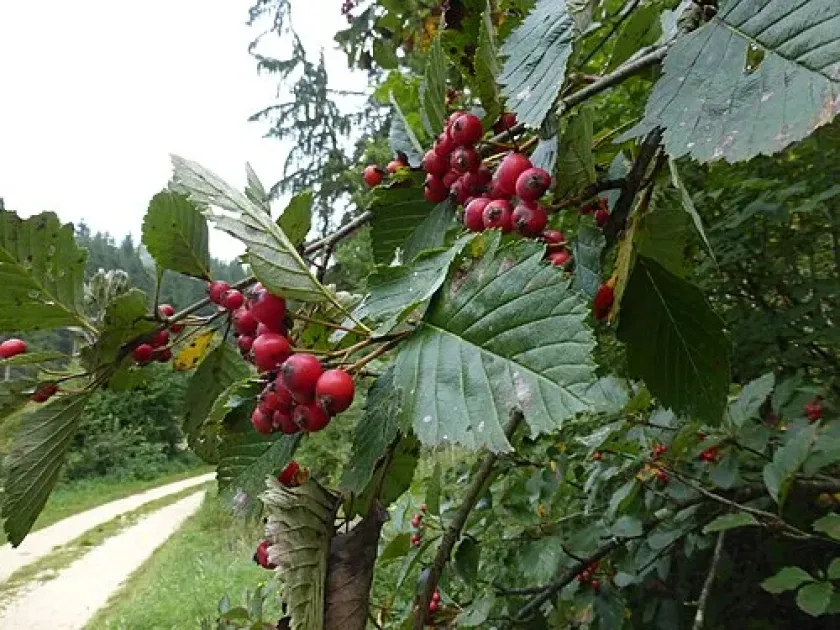
Description
Growing requirements
The semi-pinnate whitebeam (Hedlundia semipinnata) is a distinctive member of the Rosaceae family. As a naturally occurring hybrid, it combines biological traits that make it highly desirable for both pomological purposes and urban forestry in temperate climate zones.
The tree thrives in well-drained, fertile soils with a neutral or slightly acidic profile. It requires full sun exposure to maintain its vigor and ensure optimal fruit production. While it is hardy against cold, it performs best when sheltered from excessive winds during the blooming period.
Agricultural management should focus on maintaining a balanced moisture regime. During the establishment phase, young trees need consistent watering, while mature specimens show moderate drought tolerance due to a well-developed root system that explores deep soil layers.
Maintenance pruning is essential to remove crossing or damaged branches, which helps prevent mechanical stress during heavy fruiting years. Applying compost or organic mulch around the base of the tree mimics forest floor conditions, promoting healthy microbial activity in the soil.
The economic value of this species lies in its dual utility: the fruits are often harvested for artisanal food production, while the tree's unique leaf structure makes it a preferred choice for landscaping and biodiversity restoration projects.
Main diseases and pests
Common health issues involve fungal infections such as apple scab or fire blight, which can impact foliage and fruit quality. Maintaining clear spacing between trees and avoiding overhead irrigation can significantly reduce the pressure from these pathogens.
Pests like aphids and leaf miners are frequent visitors that require regular monitoring. An integrated pest management (IPM) approach, emphasizing natural predators and horticultural oils, is the most sustainable way to protect the tree throughout the growing season.
Harvesting
Harvesting should be timed to coincide with the fruit reaching full maturity, indicated by the development of rich, saturated color. Fruits should be picked in dry conditions and handled gently to prevent bruising, ensuring they remain in peak condition for processing or fresh consumption.