
Austrian whitebeam
Hedlundia austriaca
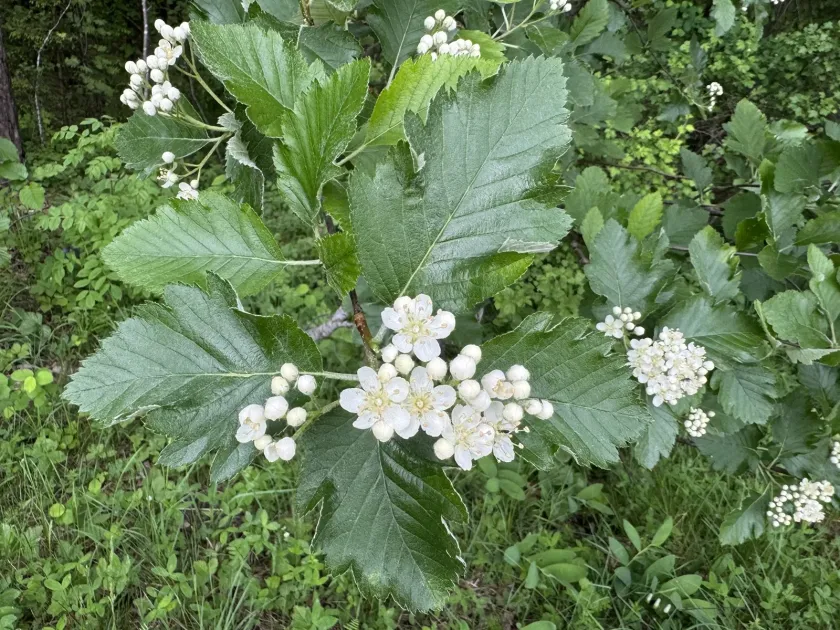
Description
Growing requirements
The Austrian whitebeam (Hedlundia austriaca) is a deciduous tree belonging to the Rosaceae family. It is native to Central and Southern Europe, primarily found in mountainous terrains, where it thrives in cool and temperate environmental conditions.
This species is moderately soil-demanding, performing best in well-drained, fertile loams. It possesses a high level of winter hardiness, making it suitable for regions where temperatures fluctuate significantly throughout the year, especially in higher elevations.
Optimal site selection requires full sunlight exposure. While the tree can tolerate partial shade, sunlight is essential for optimal growth, branch structure development, and fruit maturity, which is crucial for both decorative purposes and harvest quality.
Cultivation practices involve proper soil management, including weeding and mulching around the base to retain moisture. Although the species is relatively drought-tolerant once established, supplemental watering during dry spells in early years is recommended.
Economically, the Austrian whitebeam is used both in landscaping and for its edible fruit. The fruits are commonly processed into preserves, jellies, and traditional spirits, making it a versatile plant for both agricultural and ornamental applications.
Main diseases and pests
The Austrian whitebeam is susceptible to common Rosaceae diseases, with powdery mildew and rust being the most frequent concerns. These fungal infections typically manifest during humid weather if the tree canopy lacks proper air circulation.
Pests such as aphids and leaf-eating beetles can impact the vitality of the tree. Aphids are particularly troublesome as they feed on young, tender shoots, causing curling and reducing the photosynthetic potential of the leaves.
Integrated pest management, focusing on biological controls and regular pruning, is the most effective approach. Removing dead or diseased branches helps maintain tree health and prevents the spread of infection to other parts of the canopy.
Maintaining a balanced fertilization schedule helps the tree build natural resistance against environmental stressors and pests. Over-fertilization should be avoided, as it can lead to succulent growth that attracts more insect infestations.
Regular monitoring of the bark, leaves, and fruits is crucial for early detection of issues. Professional horticultural practices, including proper thinning of the canopy, ensure long-term health and productivity of the Austrian whitebeam.