
Arran whitebeam
Hedlundia pseudofennica
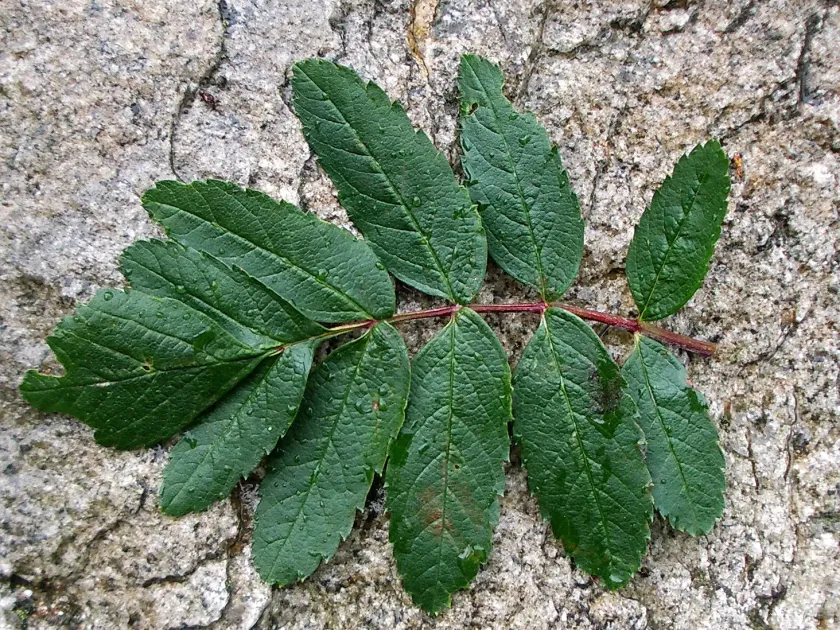
Description
Growing requirements
The Arran whitebeam (Hedlundia pseudofennica) is a rare tree species belonging to the Rosaceae family. It is endemic to the Isle of Arran in Scotland, which defines its specific requirements for cultivation in garden settings.
The species thrives in oceanic climates characterized by mild winters and moderate summer temperatures. It is highly sensitive to extreme frost, so planting it in sheltered, temperate locations is essential for its long-term survival.
Soil quality must be well-drained and fertile, ideally with a neutral or slightly acidic pH. Waterlogging is detrimental to the root system, making site selection and drainage preparation critical steps before planting.
Full sun is required to maintain the tree's health and typical leaf coloration. While the tree can tolerate partial shade, insufficient light often results in a weak structure and a significant reduction in overall growth rate.
Maintenance involves routine mulching to retain moisture and keep roots cool during the heat of summer. Young trees benefit from sturdy staking to protect them from strong winds during their establishment phase.
Yield
The fruit of the Arran whitebeam matures in late autumn. While primarily an ornamental tree, it produces small, pome-like fruits that are traditionally recognized for their nutritional value in small-scale consumption.
Yield consistency is highly dependent on cross-pollination. Planting the tree near other compatible whitebeam species can significantly improve fruit set and quantity in an orchard or private garden setting.
Economically, the tree is most valued in landscape design for its unique foliage and elegant shape. Commercial fruit production is not standard due to the rarity and protected status of the species in its natural habitat.
When harvesting, care should be taken to preserve the structural integrity of the branches. Using appropriate pruning tools and techniques ensures that the tree remains healthy and productive for subsequent seasons.
Proper nutrient management is necessary to maintain vigor. Applying organic compost in early spring supports healthy growth and improves the tree's ability to produce flowers and eventually mature fruit.
Main diseases and pests
Common threats include fungal pathogens such as rust and apple scab, which thrive in humid conditions. Pruning for air circulation is the best cultural method to prevent the spread of these common fungal issues.
Pests like aphids and leaf miners can affect the foliage, particularly on younger specimens. Monitoring for signs of infestation and using biological control methods are recommended to maintain plant health without chemical reliance.
Bark damage from rodents during winter is a serious risk for young trees. Providing physical protection, such as wire guards or bark wraps, is a standard preventative measure in areas where wildlife is present.
Poor soil conditions, such as nutrient deficiencies, can cause yellowing of leaves. Regular monitoring of leaf color and soil testing can help in adjusting the fertilization schedule to avoid metabolic stress.
Overall, resilience to threats is significantly improved when the tree is provided with optimal growing conditions. A balanced approach to water and light management remains the best defense against environmental stressors.