
Haplophyllum suaveolens
Haplophyllum suaveolens
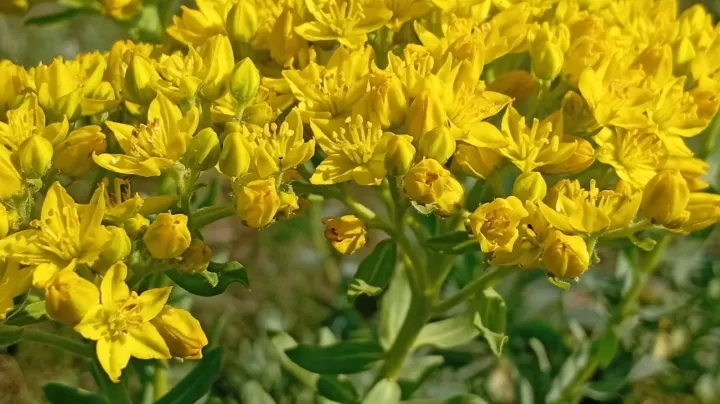
Description
Sowing dates
Sowing of Haplophyllum suaveolens is typically performed in the spring season when soil temperatures stabilize between 10°C and 12°C. Selecting the right planting window is crucial for successful establishment.
Seeds are sown in rows with a spacing of 45 to 60 cm. The seeding depth should be shallow, around 1 to 2 cm, to ensure that the small seeds have sufficient energy to reach the surface while remaining anchored.
Germination usually occurs within 14 to 20 days. During this early phase, field management focuses on light weeding to ensure that young seedlings are not suppressed by faster-growing competitors.
In regions with milder winters, fall sowing can be beneficial as it utilizes natural winter stratification, leading to earlier and more synchronized germination in the spring.
Maintaining an appropriate plant density, roughly 150,000 to 200,000 plants per hectare, is essential to maximize the yield of aerial biomass per field unit.
Growing requirements
Haplophyllum suaveolens belongs to the Rutaceae family and is a sun-loving plant that requires full exposure to sunlight for optimal growth and high concentration of essential oils.
The crop thrives in sandy loam or well-drained loamy soils with a neutral to slightly alkaline pH. Heavy, waterlogged soils must be avoided as they significantly increase the risk of root rot.
This species is characterized by its high drought tolerance, making it suitable for semi-arid environments. However, providing irrigation during peak growth stages can noticeably boost foliage production.
Ideal temperatures for active vegetation range from 20°C to 28°C. Excessive humidity combined with low temperatures is often the primary cause of physiological stress and disease outbreak.
Good soil structure and aeration are vital. Regular cultivation of the soil between rows helps prevent crusting and improves the overall health of the plant's deep taproot system.
Yield
The economic yield of Haplophyllum is measured by the total weight of harvested dried biomass and the quality of the essential oil content. Expect 1.5 to 3 tons of dried material per hectare.
Peak productivity is achieved during the second and third years of life. At this stage, the plants have fully developed root systems and produce the maximum number of floral shoots.
Essential oil concentration is highest during the full bloom stage. Timing the harvest to coincide with this biological phase is critical for achieving high-market-value production.
Fertilization with phosphorus and potassium significantly aids in the production of biomass and strengthens the plant against environmental stressors over its 4–5 year lifecycle.
After the five-year productivity cycle, the field should be rotated with other crops to restore soil health and minimize potential pest build-up.
Main diseases and pests
Fungal diseases, such as Fusarium wilt and root rot, represent the most significant threat to this crop, especially in fields with poor drainage or during seasons with excessive rainfall.
Insect pests, particularly aphids and spider mites, can damage the foliage by extracting plant sap. This not only weakens the plant but also reduces the quantity and quality of essential oils.
Occasionally, moth larvae may feed on the leaves and flowers, causing visible damage that lowers the overall quality of the harvested botanical material.
Management strategies involve strict crop rotation and the use of certified disease-free seeds. Avoiding monoculture repetition on the same land for several years is a standard practice.
When necessary, integrated pest management (IPM) should be applied to control outbreaks, focusing on bio-based solutions rather than broad-spectrum synthetic chemicals.
Harvesting
The harvest must occur during the full bloom phase. This timing ensures that the essential oils stored within the secretory structures of the leaves and flowers are at their maximum concentration.
Harvesting is done by cutting the stems at a height of 10–15 cm from the ground. This preserves the plant's ability to regenerate and produce a second yield or ensure survival for the next season.
Post-harvest, the raw material should be dried immediately in a shaded, well-ventilated space. High temperatures must be avoided; the drying temperature should never exceed 40°C to prevent oil volatilization.
Industrial harvesting often utilizes specialized mowing machinery to streamline the process, ensuring that the collected material remains clean and free of soil contaminants.
Properly dried material should be stored in cool, dry, and dark conditions to maintain the integrity of the aromatic components for up to two years post-harvest.