
Haplophyllum patavinum
Haplophyllum patavinum
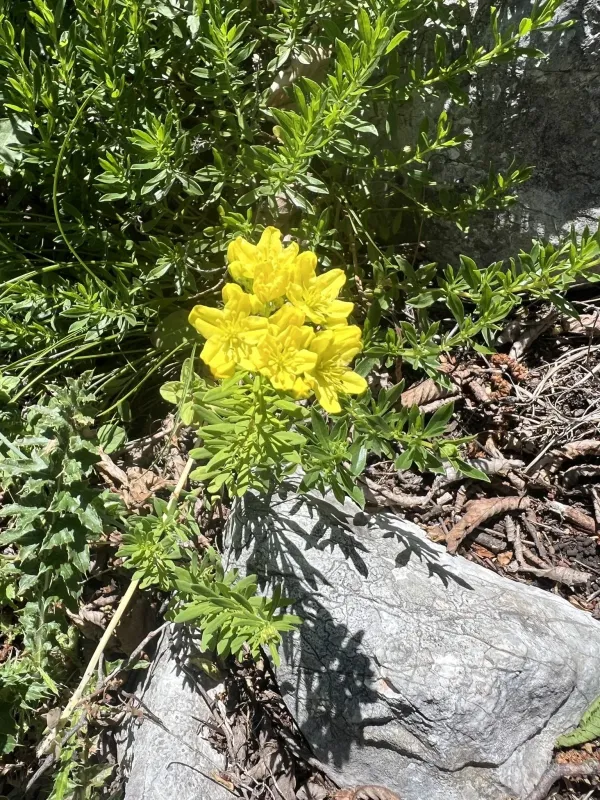
Description
Growing requirements
Haplophyllum patavinum is a perennial herb belonging to the Rutaceae family. It is recognized for its ecological resilience and ability to thrive in specific environmental conditions, particularly in arid and semi-arid ecosystems of Europe.
The crop requires well-drained, sandy or gravelly soil types to perform optimally. It is particularly sensitive to waterlogging, as excessive moisture in the root zone often leads to physiological stress and subsequent decline in health.
Full sun exposure is a non-negotiable requirement for this species. Adequate light levels are essential to trigger the synthesis of its characteristic secondary metabolites, which are significant for its pharmacological and industrial potential.
Climatically, the plant prefers warm summers and is capable of enduring cold winters, provided the soil remains relatively dry. It is classified as a drought-tolerant crop, minimizing the need for complex irrigation systems during the growth cycle.
Agronomic management involves minimal intervention. Maintenance primarily involves mechanical weeding during the early stages of establishment and monitoring soil acidity levels to ensure they stay within the neutral to slightly alkaline range.
Main diseases and pests
The primary threats to Haplophyllum patavinum cultivation are soil-borne fungal pathogens. Diseases like root rot are significantly more prevalent in poorly managed plots where aeration is insufficient or drainage is hindered.
Pest populations, including various species of aphids and specialized lepidopterans, can occasionally damage foliage. Integrated pest management strategies are advised, focusing on biological controls to maintain the integrity of the ecosystem.
Environmental stress, particularly prolonged periods of high humidity combined with stagnant air, can trigger mildew infections. Implementing adequate plant spacing is a critical agronomic practice to reduce this risk.
Viruses transmitted by sap-sucking insects pose a long-term threat to yield quality. Early detection and the removal of infected plants are essential to prevent the spread of pathogens across a large-scale commercial field.
The use of certified seeds and careful site selection are the most effective preventive measures against major crop health issues. Reducing chemical inputs ensures the final product meets high quality standards for various industrial applications.