
Haplophyllum buxbaumii
Haplophyllum buxbaumii
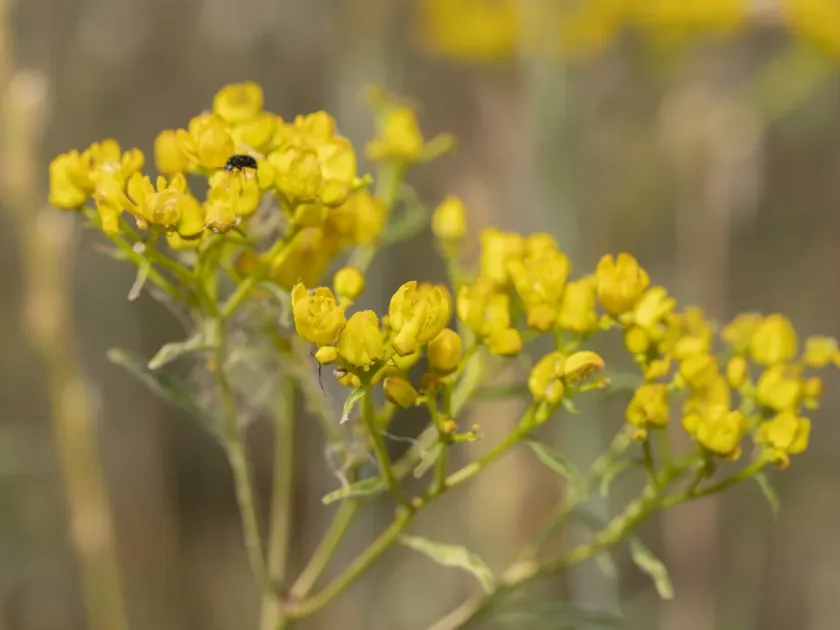
Description
Growing requirements
Haplophyllum buxbaumii is a perennial herbaceous plant belonging to the Rutaceae family, known for its strong aromatic properties due to specialized secretory glands found on its foliage.
The plant originates from arid and semi-arid regions across the Mediterranean and Central Asia, which has shaped its physiological adaptation to intense sunlight and limited water availability.
For successful agricultural production, it is essential to provide light-textured, well-draining soils. The plant thrives in alkaline to neutral pH environments and is highly intolerant of waterlogged conditions.
The climate requirements involve long, hot growing seasons that favor the accumulation of essential oils and secondary metabolites, which are the primary economic value of this crop.
While primarily recognized in pharmacology for its bioactive compounds, it also plays a significant role in landscape restoration and sustainable agriculture in dry climates due to its deep root system.
Main diseases and pests
The most significant threats to Haplophyllum buxbaumii are root pathogens that flourish when the soil profile becomes overly saturated, leading to crown rot and wilting.
Insect pests, such as aphids and leaf-eating beetles, may affect the plant during the early stages of its development, potentially stunting growth and reducing yields.
Fungal diseases like powdery mildew can occur if the humidity levels are too high and airflow between plants is restricted by improper spacing or poor field management.
Preventative agronomic practices include selecting high-elevation or sloping fields, which naturally minimize the risk of prolonged moisture accumulation at the root zone.
Integrated pest management strategies are advised, emphasizing the use of biological controls to maintain the integrity of the plant's medicinal profile.