
Haplophyllum fruticulosum
Haplophyllum fruticulosum
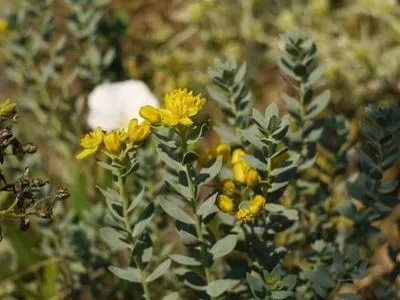
Description
Growing requirements
Haplophyllum fruticulosum is a perennial subshrub belonging to the Rutaceae family. Native to arid and semi-arid regions, it has evolved to thrive in harsh environments where water availability is limited and soil quality is often poor or rocky.
Botanically, the plant is characterized by its hardy woody base and succulent-like leaves that help minimize transpiration. This structural adaptation is critical for its survival in desert-like conditions, making it an interesting candidate for research in drought-tolerant crop development.
Successful cultivation requires soil that mimics its natural habitat: well-drained, porous, and nutrient-poor. Clay soils that tend to hold moisture for extended periods are unsuitable, as they can cause rapid decay of the root system and inhibit healthy development.
Light requirements for Haplophyllum fruticulosum are high; it demands full sun exposure throughout the growing season. Adequate exposure to ultraviolet light is essential not only for biomass accumulation but also for the synthesis of complex organic compounds within the plant tissues.
Climatic requirements focus on heat tolerance and the ability to withstand wide temperature fluctuations. While it is hardy in arid climates, standard agricultural practices should ensure that the plant is protected from excessive humidity and waterlogging, particularly during the dormant phases of the year.