
Haplophyllum linifolium
Haplophyllum linifolium
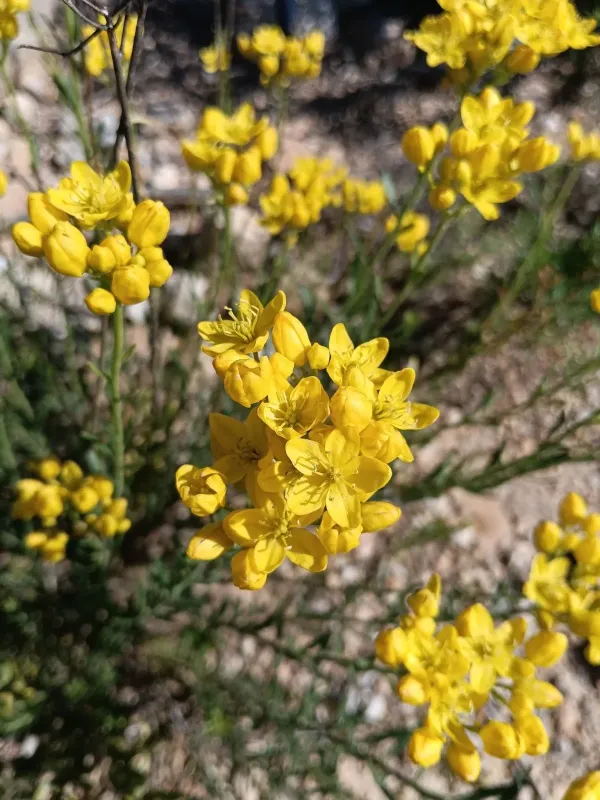
Description
Growing requirements
Haplophyllum linifolium is a perennial subshrub species belonging to the family Rutaceae. It is characterized by its adaptability to harsh, semi-arid environments where other crops often fail.
The plant originates from the Mediterranean region, where it thrives in rocky, well-drained soils and high-sunlight exposures. Its biological structure is adapted to minimize water loss.
For successful cultivation, the crop requires full sun exposure and well-ventilated locations. It is highly sensitive to soil compaction and waterlogging, which often leads to root rot.
Soil requirements focus on alkaline or neutral pH levels. The plant is drought-tolerant, making it an excellent candidate for low-input agricultural systems in arid climates.
Agricultural management should prioritize the selection of slopes or raised beds to ensure natural drainage, combined with minimal fertilization to avoid lush, weak growth.
Main diseases and pests
Root pathogens represent the most significant threat to Haplophyllum linifolium. Excessive moisture, especially during the dormant season, is often fatal for the plant's root system.
Pests such as aphids and spider mites can colonize the foliage during stress periods. These pests can cause significant damage to young shoots if left unmanaged.
Powdery mildew may occur if the plants are crowded together or if the air circulation is inadequate, leading to excessive humidity around the canopy.
Weed competition is a major factor, as the species has a relatively slow growth rate in its early stages of development and can be easily outcompeted by invasive weeds.
Regular inspections and the use of integrated pest management practices are essential to maintain a healthy stand and ensure consistent production of botanical compounds.