
Haplophyllum coronatum
Haplophyllum coronatum
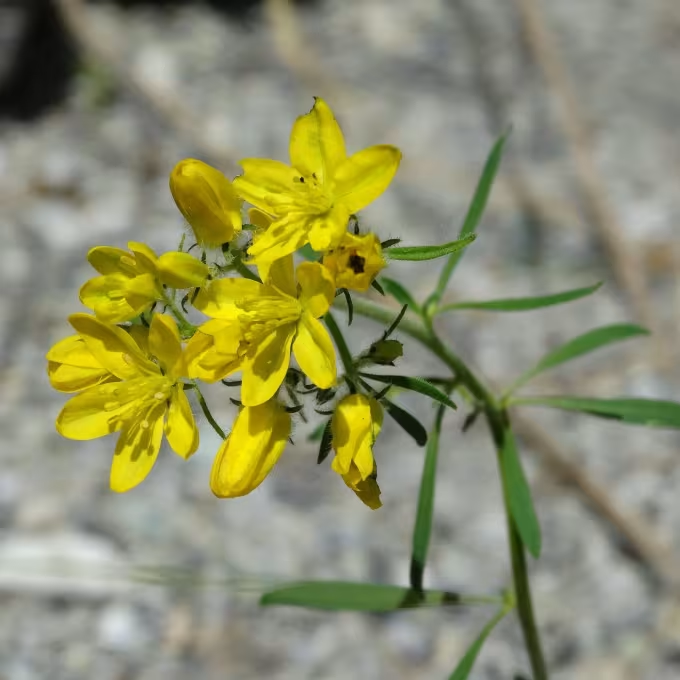
Description
Growing requirements
Haplophyllum coronatum is a perennial herbaceous plant belonging to the Rutaceae family. Native to the arid and semi-arid regions of Central Asia, this species has evolved to thrive in environments characterized by high solar radiation and low precipitation.
The plant features distinct, simple leaves scattered with glandular dots. These glands are responsible for the secretion of essential oils and various alkaloids, which are the primary focus of interest for researchers and the pharmaceutical industry due to their medicinal properties.
For agricultural production, the plant requires well-drained, sandy, or rocky soils. It is intolerant of waterlogged conditions, making proper soil structure and efficient drainage essential for maintaining the health of the taproot system.
As a drought-tolerant species, it performs best in full sunlight. Temperature fluctuations common in steppe ecosystems are well-tolerated by the plant, which utilizes these conditions to maximize the synthesis of secondary metabolites within its tissues.
The cultivation management of this species involves minimal irrigation, focusing instead on weed control and ensuring that the soil remains aerated. Its unique biochemical profile makes it a specialized crop with potential for sustainable farming in semi-arid zones.