
Hamilton's spindle
Euonymus hamiltonianus Wall.
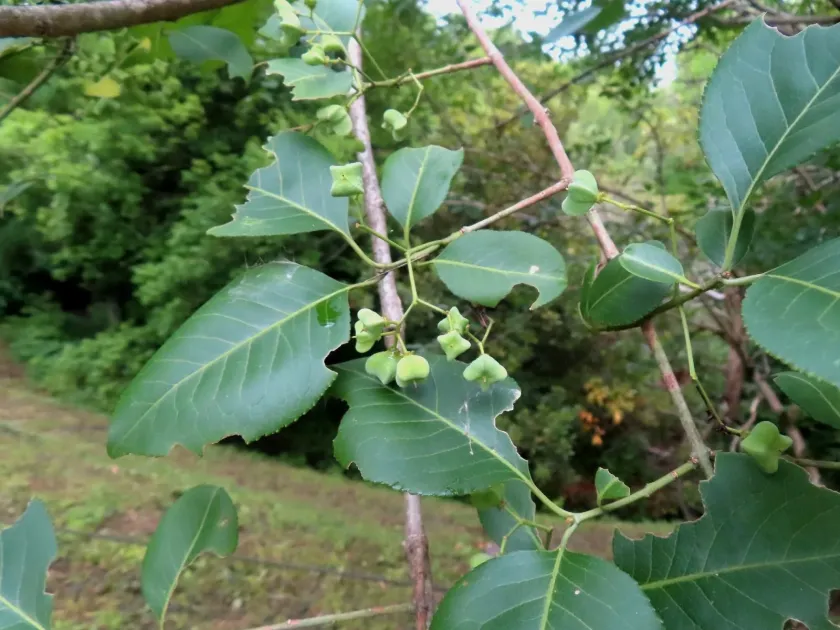
Description
Growing requirements
Hamilton's spindle (Euonymus hamiltonianus) is a deciduous shrub or small tree belonging to the Celastraceae family. It is native to East Asia, including regions of China, Japan, and Korea, where it commonly thrives in woodland edges and mountainous terrain.
The plant requires fertile, well-drained soil with a neutral or slightly alkaline pH to reach its full development potential. While it can adapt to various soil types, maintaining adequate moisture levels without waterlogging is essential for the health of its root system.
This species is valued for its hardiness in temperate climates. It prefers sunny or partially shaded locations, which significantly influences the intensity of its vibrant autumn foliage colors, characterized by shades of red and pink.
Agricultural management involves regular watering during dry spells and applying balanced fertilizers in early spring. Pruning is recommended for maintenance purposes to remove dead wood and encourage a balanced, aesthetically pleasing branching structure.
The primary use of Euonymus hamiltonianus is in ornamental horticulture. It is frequently employed in gardens and public parks as a specimen plant or as part of mixed hedges, prized for its showy seed capsules and striking seasonal changes.
Main diseases and pests
The most significant pest for this species is the spindle ermine moth, which can cause severe defoliation. Careful monitoring in late spring allows for the manual removal of webs and the application of pest control measures when necessary.
Aphids and spider mites are also common pests that target new foliage. Their presence can be managed through the use of systemic insecticides or horticultural oils applied according to the stage of pest infestation.
Powdery mildew is a frequent fungal threat, particularly in environments with poor air circulation and high humidity levels. Improving spacing and ensuring proper light penetration into the inner canopy can reduce disease incidence.
Root rot represents a serious threat caused by stagnant water, making soil drainage a critical factor in plant survival. Overwatering should be strictly avoided to prevent the development of anaerobic conditions in the soil.
Integrated pest management, combined with proper site selection and healthy soil conditions, ensures the long-term vitality of Hamilton's spindle in diverse landscaping projects.