
European spindle
Euonymus europaeus L.
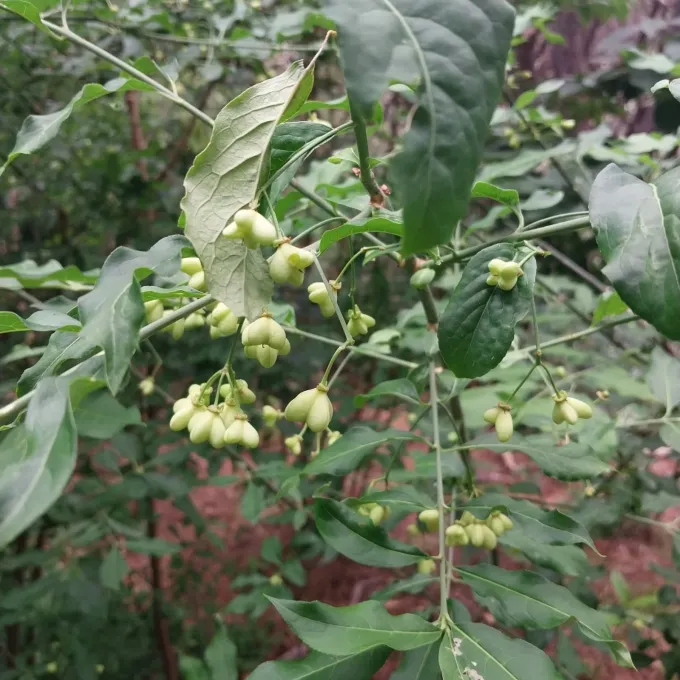
Description
Sowing dates
The propagation of European spindle is typically performed through seeds or softwood cuttings. Seeds possess a hard coat and require a lengthy stratification period of up to 6-8 months in cold conditions to break dormancy.
Sowing seeds directly into outdoor beds during the autumn is the most effective method, as it allows for natural stratification during the winter months. Spring sowing requires pre-treatment or artificial cooling to ensure successful germination.
Vegetative propagation uses softwood cuttings taken in early summer. These should be planted in a well-draining medium under high-humidity conditions, such as a cold frame or under plastic film, to facilitate root development.
Seedlings need to be protected from direct sunlight and kept consistently moist throughout their first year of growth. They are generally ready for permanent transplantation after reaching two or three years of age.
Proper spacing is crucial when planting for hedges or landscape borders, typically requiring 1.5 to 2 meters between plants to ensure long-term health and structural development.
Growing requirements
The European spindle, belonging to the Celastraceae family, is a deciduous shrub native to Europe and western Asia. It is highly valued for its ecological versatility and ability to thrive in various forest understory conditions.
The species prefers fertile, humus-rich soils with a neutral to slightly alkaline pH. While it is tolerant of semi-shaded environments, it exhibits the best foliage color and fruit production when cultivated in full sunlight.
The shrub demonstrates moderate drought tolerance once established, though supplemental watering is beneficial during prolonged dry spells. Waterlogged soils should be avoided as they may cause root decay in sensitive young plants.
As a hardy species, European spindle tolerates significant winter temperature drops, making it a reliable choice for temperate zone landscapes and conservation plantings, where it helps prevent soil erosion on slopes.
Standard agrotechnical management involves regular mulching of the root zone to retain moisture, periodic fertilization with organic matter in the spring, and structural pruning to maintain the desired aesthetic shape.
Main diseases and pests
The most significant pest affecting European spindle is the spindle ermine moth (Yponomeuta cagnagella). Larvae feed in large communal webs and are capable of defoliating entire shrubs within a short period if left untreated.
Aphid infestations are also frequent, particularly on new growth. Aphids suck plant sap, leading to stunted shoot development and the secondary growth of sooty mold, which impairs the plant's photosynthetic efficiency.
Fungal diseases like powdery mildew can occur, especially in stagnant or humid air conditions. Maintaining proper airflow through thinning and strategic pruning is the best cultural defense against these issues.
Chemical control involving systemic insecticides is recommended upon early detection of pests. Integrated pest management practices, including physical removal of web clusters, help keep populations at manageable levels.
General hygiene practices, such as clearing leaf litter from around the base and monitoring for discoloration or wilting, are essential for maintaining the vigor and health of the European spindle throughout the season.