
Fortune's spindle
Euonymus fortunei (Turcz.) Hand.-Mazz. var. radicans (Siebold ex Miq.) Rehder
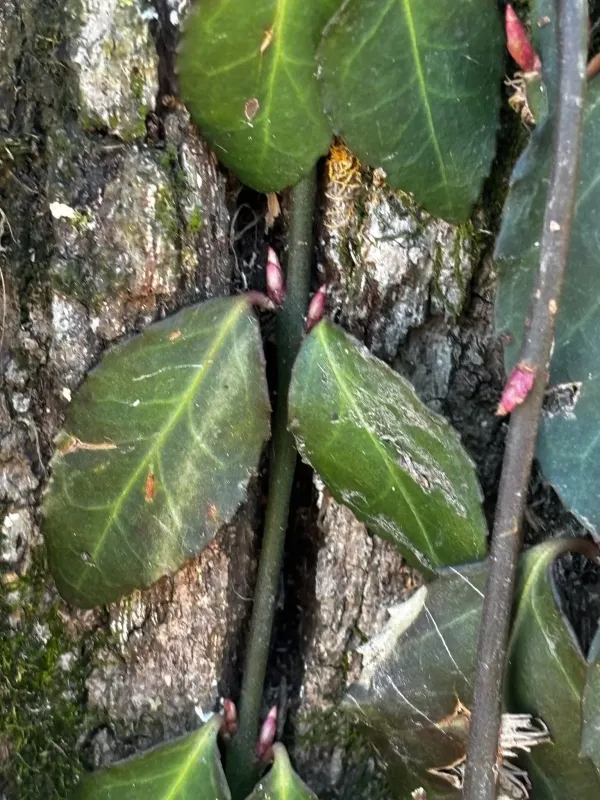
Description
Growing requirements
Fortune's spindle (Euonymus fortunei) belongs to the Celastraceae family and is native to the forests of China. This evergreen shrub is highly valued for its creeping or climbing growth habit, making it an excellent choice for ground covers or vertical landscape elements.
The plant thrives in moderately fertile, well-drained soils with a neutral or slightly alkaline pH. It is quite adaptable to various light conditions, though variegated cultivars prefer brighter spots to maintain their unique leaf patterns throughout the growing season.
Climatically, it is known for being hardy, but it benefits from protection against harsh, drying winds during the winter months. In regions with severe frosts, mulching the base helps to keep the roots insulated and promotes healthy growth in the following spring.
Maintenance involves routine watering during dry spells and light pruning to maintain the desired size and shape. Since the plant can grow quite rapidly, regular trimming helps keep it contained within its allocated space in the garden design.
Its primary agricultural and horticultural utility lies in landscape architecture. It is widely used to prevent soil erosion on slopes, as a structural climbing plant for garden walls, and as an ornamental addition to mixed borders or container gardens.
Main diseases and pests
Common pests include spider mites and scale insects, which can weaken the plant by feeding on its sap. Regular scouting of the foliage, especially in hot and dry weather, is essential for early detection and mitigation of potential infestations.
Powdery mildew is a frequent fungal problem that presents as a white powdery coating on the leaves. Improving air circulation around the plants and avoiding overhead watering can significantly reduce the risk of this infection developing.
Root rot caused by poorly drained soil is a significant threat that can lead to total plant loss. Ensuring the site has proper drainage before planting is the most effective way to prevent this issue from occurring in the landscape.
To treat severe fungal outbreaks, applying approved fungicides is necessary, making sure to cover both the tops and bottoms of the leaves. Always follow the manufacturer's label instructions for safety and effectiveness.
Maintaining plant health through proper fertilization and avoiding overcrowding helps the shrub build natural resistance to common garden diseases. A vigorous plant is always less susceptible to pest pressures.