
Wintercreeper
Euonymus fortunei (Turcz.) Hand.-Mazz.
Description
Growing requirements
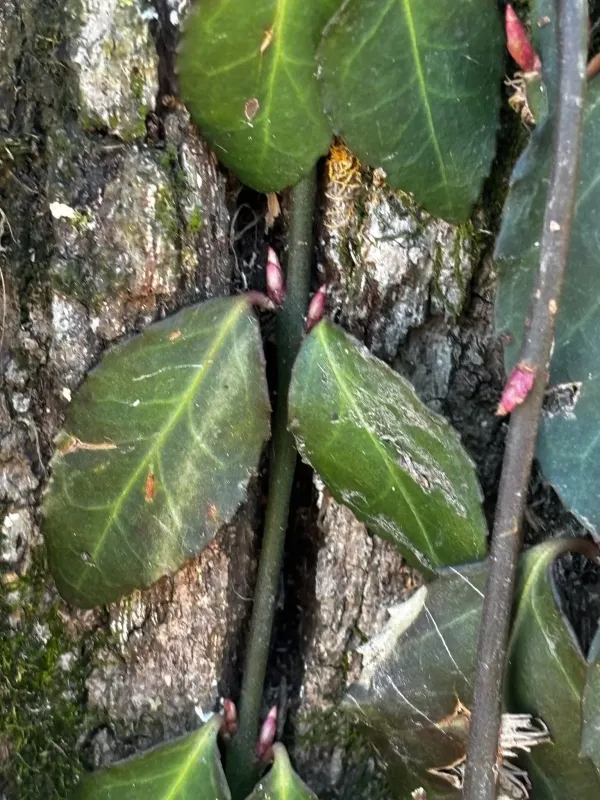
Wintercreeper (Euonymus fortunei) is a versatile evergreen shrub belonging to the Celastraceae family, native to China. It is highly valued in horticulture for its ability to function both as a trailing groundcover and a climbing vine that can reach significant heights if supported.
The plant thrives in well-drained, fertile soil with a neutral to slightly alkaline pH. While it is adaptable to various soil types, it performs best in moisture-retentive substrates that do not become waterlogged, as excess moisture often leads to root rot.
Regarding climate, Euonymus fortunei exhibits good hardiness, although it benefits from protection in extremely cold regions. It is relatively drought-tolerant once established, but regular watering during the first growing season is crucial for building a healthy root system.
Cultural management involves regular pruning to control its spread or to encourage a denser growth habit. It is an excellent choice for erosion control on slopes or as a year-round groundcover in landscape projects, as it maintains its foliage color throughout the winter.
The aesthetic versatility of this plant makes it a staple in landscape design. Whether used to carpet shaded areas under trees or trained to climb trellis work, it provides a lush, dense foliage texture that enhances the visual appeal of any garden setting.
Main diseases and pests
Common pests that can affect Wintercreeper include scale insects and spider mites, particularly in hot and dry weather conditions. Monitoring the underside of the leaves and applying horticultural oils or appropriate insecticides is recommended for effective control.
Powdery mildew is the most frequent fungal disease, manifesting as a white, dusty layer on the leaves. Proper spacing and good air circulation within the shrub canopy are essential preventative measures, supplemented by fungicidal treatments if an outbreak occurs.