
Two-wing silverbell
Halesia diptera
Description
Growing requirements
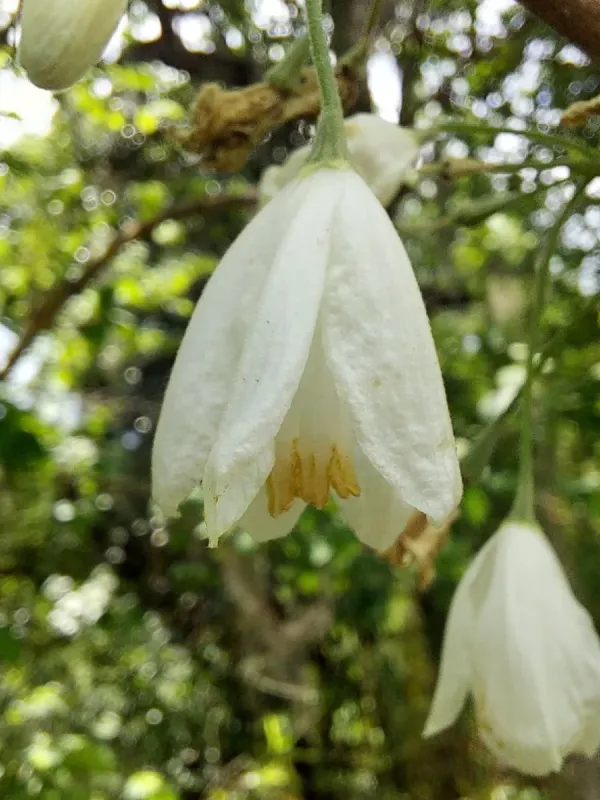
Halesia diptera, commonly known as the two-wing silverbell, is a deciduous shrub or small tree belonging to the Styracaceae family. Native to the southeastern United States, it is widely appreciated for its delicate, bell-shaped white blossoms.
Botanically, the species is distinguished by its unique winged drupes, which assist in seed dispersal. The plant typically reaches a moderate height, making it an excellent candidate for woodland gardens and ornamental landscapes where climate conditions are suitable.
The cultural requirements demand moist, fertile, and well-drained soils that are slightly acidic to neutral in pH. It performs best in sheltered locations that provide protection from strong winds and intense afternoon sun, which can dehydrate the plant.
Climate needs include temperate conditions with sufficient rainfall during the growing season. While the plant can tolerate some cold, extreme frost may damage younger branches, necessitating a layer of organic mulch to protect the shallow root system.
Proper maintenance involves consistent moisture management, as the two-wing silverbell is not drought-tolerant. Organic mulch applied around the base is essential to simulate the forest floor conditions and retain the soil's natural coolness.
Main diseases and pests
Although generally hardy, Halesia diptera can be susceptible to fungal diseases such as leaf spot if the canopy lacks sufficient air circulation. Keeping the planting site clean and avoiding overhead irrigation can significantly reduce these risks.
Common pests like aphids or scale insects may occasionally infest the foliage, especially if the tree is stressed by improper watering. Monitoring the plant periodically and using horticultural soaps if an infestation occurs will maintain plant health.