
Halesia carolina
Halesia carolina
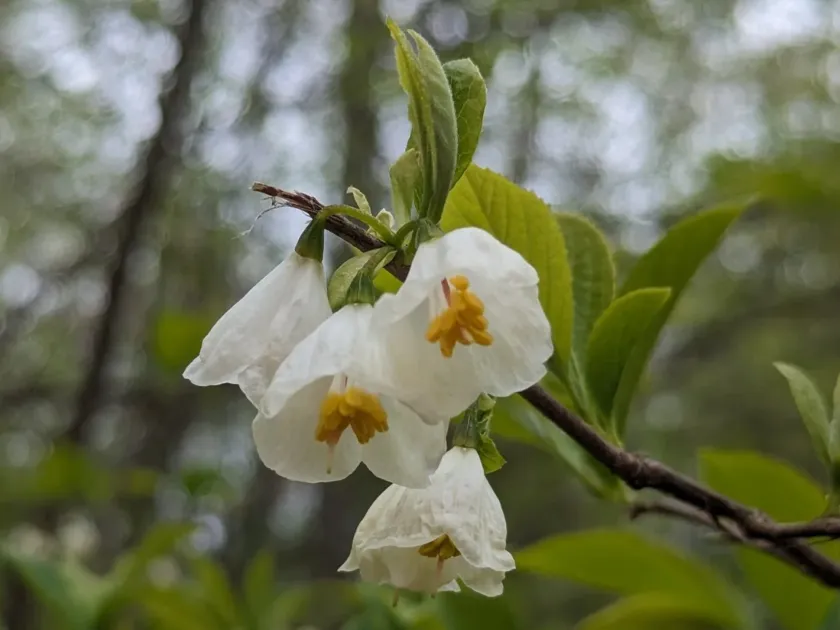
Description
Growing requirements
Halesia carolina, commonly known as the Carolina silverbell, is a member of the Styracaceae family. It is a prized ornamental shrub or small tree celebrated for its bell-shaped, white flowers that hang in clusters.
Native to the southeastern United States, this plant thrives in moist, rich woodland habitats. In cultivation, it prefers locations with partial shade, especially in areas with intense afternoon sun.
The soil requirements are strict: it demands acidic, well-drained soil rich in organic matter. If the soil is alkaline, the plant will suffer from iron chlorosis, leading to yellowing leaves and stunted growth.
Climate conditions should be temperate and humid. The Carolina silverbell requires consistent moisture throughout the growing season and does not tolerate prolonged dry spells without supplementary irrigation.
When used in landscaping, it serves as an excellent specimen plant. It performs best when planted in areas where the soil can be kept cool and moist, such as near water features or in protected garden corners.
Main diseases and pests
Halesia carolina is generally considered a low-maintenance plant with few major pest or disease issues. Most problems arise from poor site selection, particularly regarding soil pH and drainage.
Iron chlorosis is the most common physiological disorder. This manifests as yellowing leaf tissue while veins remain green, occurring when the soil pH is too high for efficient nutrient uptake.
Insects like aphids may occasionally colonize the soft, new growth during the spring. While rarely fatal, heavy infestations can weaken the plant and promote the growth of sooty mold.
Root rot is a potential threat in poorly drained soils. Ensuring the site is properly graded and amended with organic matter helps prevent the stagnation of water around the root zone.
Although it is relatively hardy, young trees can benefit from protection during extreme winter temperature drops. Maintaining a layer of organic mulch helps protect the roots from sudden freezes.