
Cowcockle
Gypsophila vaccaria (L.) Sm.
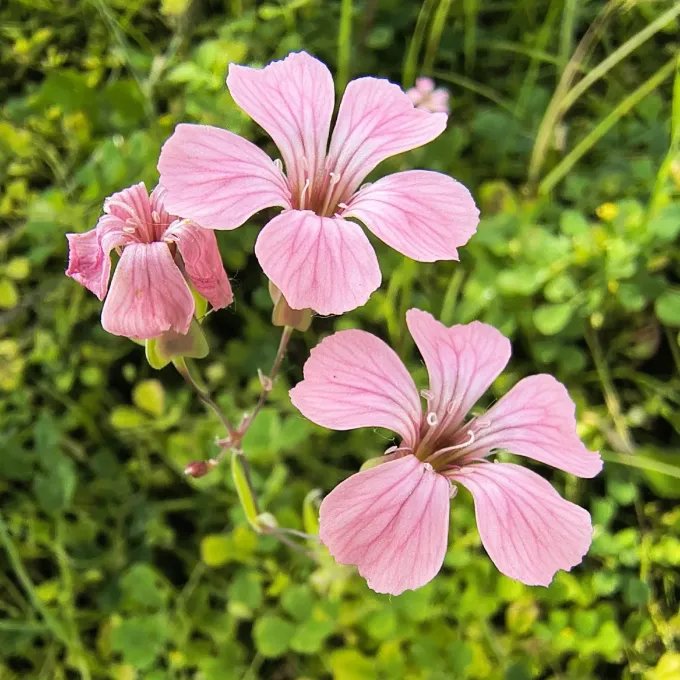
Description
Sowing dates
Cowcockle (Vaccaria hispanica), belonging to the Caryophyllaceae family, is an annual plant often cultivated for its saponin-rich properties. Sowing typically takes place in early spring when soil temperatures reach 6–10 degrees Celsius.
The seeds should be sown in rows with a spacing of 15–20 cm. A planting depth of 2–3 cm is ideal to ensure proper germination while protecting the seeds from drying out in the surface layer.
The crop shows good germination energy, provided there is adequate soil moisture. It is crucial to seed quickly to leverage the spring moisture before temperatures rise significantly.
Fall sowing is also an option in milder climates, which allows the crop to establish a root system and grow vigorously as soon as the frost retreats.
A seeding rate of approximately 10–12 kg per hectare is recommended to maintain the optimal plant density for maximizing biomass or seed yield.
Growing requirements
This crop thrives in well-drained, fertile loam or sandy loam soils. It is relatively drought-tolerant once established, but it requires consistent moisture during the early vegetative stages.
Cowcockle requires plenty of sunlight for optimal development. Shaded areas significantly reduce the plant's ability to accumulate biomass and produce healthy seeds.
The ideal temperature range for growth is between 18 and 25 degrees Celsius. While it is hardy, it performs best when temperature fluctuations are not extreme during its rapid growth phase.
Soil preparation should include deep plowing and leveling. Incorporating organic matter during the previous season is preferred over heavy synthetic fertilization immediately before planting.
The plant prefers a neutral pH soil. Excessive acidity can lead to poor nutrient uptake and stunted growth, which makes soil testing prior to planting a recommended practice.
Yield
Yields of green biomass typically range from 150 to 250 quintals per hectare depending on soil fertility and management practices. The high saponin content is the primary commercial focus.
Seed production averages around 8–12 quintals per hectare. Proper management of crop health during the flowering stage is essential to ensure seed filling is maximized.
The crop is integrated into sustainable rotations as it helps improve soil physical structure through its extensive, fibrous root system.
Industrial applications for the harvested material include the production of natural surfactants and pharmaceutical compounds derived from the plant's saponins.
Consistent profitability is achieved by focusing on high-quality seed production and catering to specialized markets that value the plant's unique chemical composition.
Main diseases and pests
Common pests include aphids and various leaf beetles, which can cause significant damage to young leaves and stems. Regular field scouting is necessary to trigger timely intervention.
Diseases such as powdery mildew and root rot are more prevalent in dense, poorly ventilated stands or areas with excessive humidity. Maintaining proper spacing is a key preventative measure.
Soil-borne pathogens can be mitigated by treating seeds with systemic fungicides before sowing, which protects the emerging plants during their most vulnerable stage.
Weed management is vital, especially during the first month, as the crop is initially slow-growing and easily outcompeted by aggressive weeds in the field.
Adhering to proper crop rotation schedules helps prevent the buildup of specific soil pathogens and ensures a healthy field environment year after year.
Harvesting
Seed harvest should commence when the seed pods have turned brown and the seeds inside are hard and dark, indicating maturity. Delayed harvest may lead to significant shattering losses.
Green biomass harvesting should occur during the full bloom stage to capture the highest concentration of saponins in the plant tissue.
When harvesting with a combine, settings must be calibrated carefully to avoid crushing the relatively small seeds, ensuring a clean and high-quality final product.
Post-harvest processing involves immediate cleaning and drying of the seeds to reach a moisture content of 12–14 percent, which is critical for long-term safe storage.
Storage facilities must be dry, cool, and well-ventilated to prevent moisture accumulation, which can cause mold growth and degrade the chemical stability of the harvest.