
Annual baby's-breath
Gypsophila muralis L.
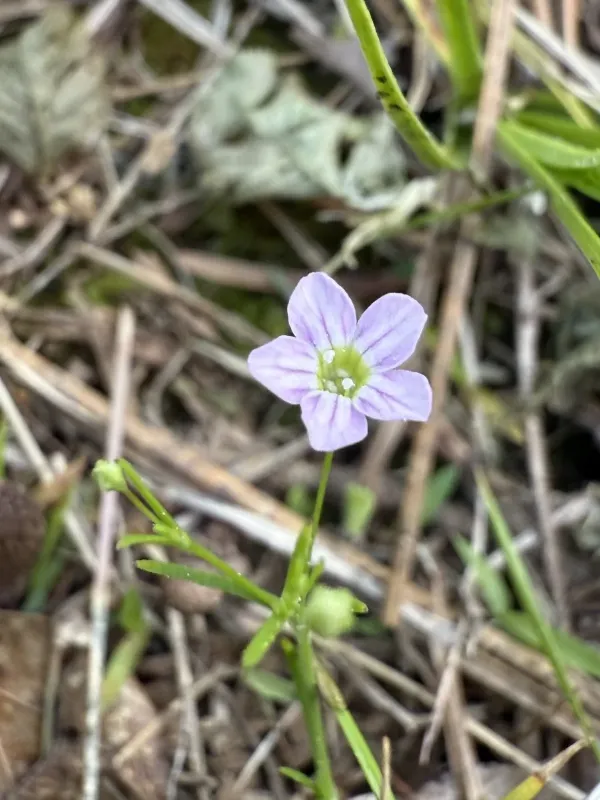
Description
Sowing dates
Annual baby's-breath, scientifically known as Gypsophila muralis, belongs to the Caryophyllaceae family and is widely cultivated for its delicate, airy appearance.
Sowing in open ground should be performed in early spring once the risk of frost has passed, ensuring the soil is fine-textured and warm enough for germination.
The seeds are tiny and require only a very thin covering of soil or sand to germinate successfully, as they need light to sprout effectively.
When starting indoors, seeds are typically sown in trays during March and transplanted outdoors after hardening off, which ensures early establishment.
Spacing is a critical factor for healthy growth; maintaining a gap of at least 20 centimeters between plants promotes airflow and prevents foliage density issues.
Growing requirements
This plant thrives in full sunlight, which is necessary to maintain its compact, mound-like habit and ensure abundant flowering throughout the season.
Soil conditions should ideally be light, sandy, and well-draining, as the plant is sensitive to wet conditions that can lead to root degradation.
It performs exceptionally well in neutral to slightly alkaline soils, often mimicking its natural limestone-based habitats found in European regions.
Although it is moderately drought-tolerant once established, supplemental watering during dry spells will encourage continued blooming and plant vigor.
Fertilization should be kept to a minimum, as excessive nutrients often lead to lush leafy growth at the expense of flower production.
Main diseases and pests
The primary threats include fungal diseases such as root rot and stem blight, which are usually triggered by poor drainage or overly humid growing conditions.
Foliar diseases may occur if the plants are crowded, preventing the foliage from drying out quickly after rain or irrigation.
Common insect pests include aphids and spider mites, which can sap the plant's vitality, especially during hot and dry summer months.
Preventive care involves choosing sites with excellent airflow and removing any dead or decaying plant material to minimize the risk of infection.
- Providing adequate space between specimens for better ventilation.
- Regular inspection for aphid clusters on the underside of leaves.
- Avoid overhead watering to keep foliage as dry as possible.