
Gypsophila paniculata
Gypsophila paniculata L.
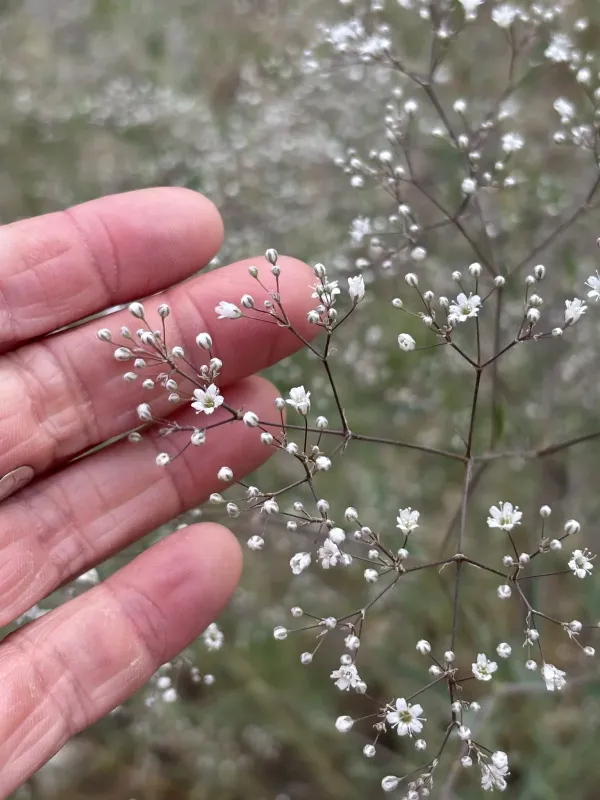
Description
Sowing dates
Gypsophila paniculata (Baby's breath) belongs to the Caryophyllaceae family. It is a highly valued herbaceous perennial widely used as a filler flower in the commercial floriculture industry.
Seeds are typically sown in the spring once soil temperatures reach 18 to 20 degrees Celsius. For optimal germination, the seeds require light, so they should be covered only very thinly with a fine substrate.
In professional production, greenhouse sowing is common. Seeds are placed in plug trays in late winter, allowing for uniform seedling development before transplanting into the field after the frost risk passes.
Transplanting should be handled with care as the plants develop a taproot system early on. Maintaining adequate soil moisture during the initial establishment phase is crucial for success.
Spacing is essential for airflow and disease management. Plants should be spaced at least 60 to 80 centimeters apart to prevent overcrowding and ensure each plant has enough light for robust growth.
Growing requirements
This crop thrives in full sun exposure. Shaded conditions lead to weak, elongated stems that lack the structural integrity and aesthetic appeal required for high-quality floral arrangements.
Soil drainage is the most critical requirement for Gypsophila. It demands sandy or light loamy soils that prevent water stagnation, as the roots are highly susceptible to rot in damp environments.
The plant is naturally drought-tolerant once established due to its deep taproot. Excessive irrigation should be avoided, especially during the flowering stage, to maintain stem quality.
Soil pH should be neutral to slightly alkaline. Acidic soils inhibit growth and make the plant more vulnerable to nutrient deficiencies and soil-borne diseases.
Fertilization should be managed carefully. High nitrogen levels can cause excessive vegetative growth at the expense of flower production; therefore, a balanced, low-concentration fertilizer is preferred.
Yield
The yield of Gypsophila paniculata is determined by the number of high-quality flowering stems produced per square meter. A well-managed field can be productive for five to seven years.
During the peak years of production, typically from the second to the fourth year, a single plant can yield dozens of harvestable stems if the pruning and maintenance are performed correctly.
Field maintenance, including regular weeding and shallow cultivation between rows, significantly improves the overall vigor of the crop and the length of the flower sprays.
Standardization of the product is key to profitability. Harvesting stems with consistent branch length and flower density is essential for meeting the requirements of floral markets.
Yield stability is heavily dependent on winter care. Ensuring the plants are cut back properly after the season allows for better overwintering and early spring regrowth.
Main diseases and pests
Rust (fungal infection) is a major threat, causing brown spots on foliage that can quickly spread, rendering the stems unsellable due to poor visual quality.
Gray mold (Botrytis) is common in high-humidity areas or where plant density is too high, leading to stem decay and base rot that can kill entire sections of the crop.
Leaf nematodes pose a serious risk as they feed within the leaf tissue, causing stunted growth, distortion, and a decrease in the overall health of the flowering stems.
Aphids can cause significant damage by feeding on young buds and shoots, often introducing viral diseases that lead to deformed flower clusters.
- Regular scouting for early signs of disease and pest infestation.
- Using drip irrigation to keep the foliage dry and reduce fungal risk.
- Implementing a preventative fungicide spraying program.
- Ensuring proper row spacing to maximize air circulation.
Harvesting
Harvesting should be timed when at least 50% of the flowers on the panicle are fully open. This ensures the best balance between vase life and visual appeal for end-users.
Stems are cut using disinfected, sharp shears to prevent the spread of pathogens. It is best to harvest during the cool hours of the morning to maintain optimal tissue turgor.
Immediately after cutting, stems must be placed in clean, fresh water. Many producers use specialized hydration solutions to improve the longevity and strength of the flower stems.
For dried flower production, the stems are bundled and hung upside down in a dark, warm, and well-ventilated space to ensure the color and shape are preserved as they dry.
Post-harvest handling is critical, including maintaining a low-temperature environment during storage and transport to minimize respiration and extend the freshness of the product.