
Gypsophila paniculata
Gypsophila paniculata L. x Gypsophila pilosa Huds.
Description
Sowing dates
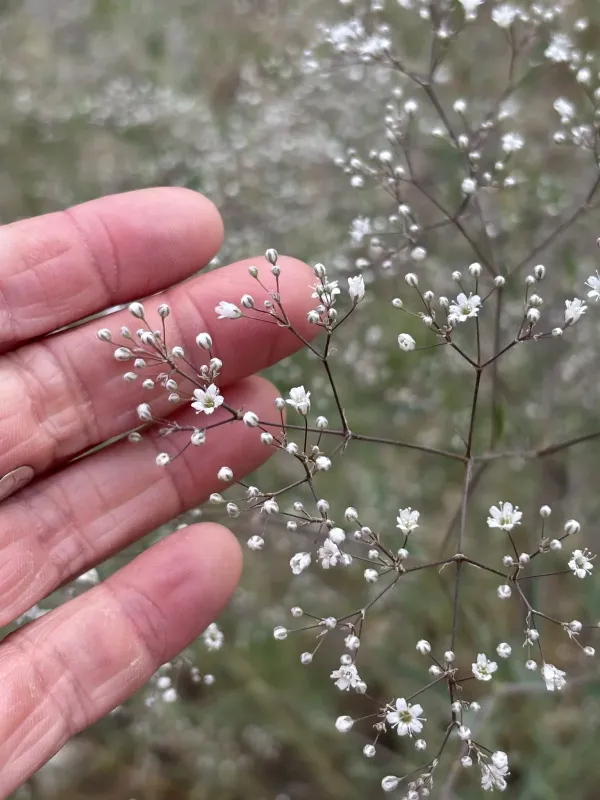
Gypsophila paniculata, commonly known as baby's breath, is a perennial herbaceous plant belonging to the Caryophyllaceae family, valued for its fine, airy foliage and clusters of flowers.
Propagation is typically carried out by seeds sown in early spring or late autumn, either directly into the field or into greenhouse starter trays for later transplantation.
Seeds should be covered with a very thin layer of soil, no more than 0.5–1 cm deep, and kept consistently moist until germination occurs, which usually takes 10 to 14 days.
Seedlings should be thinned or spaced at intervals of 60 to 80 cm to allow for proper air circulation, as the plant matures into a large, bushy specimen.
It is important to transplant the seedlings while they are still young, as the plant develops a deep taproot that makes mature plants difficult to move successfully.
Growing requirements
The plant thrives in full sun, which is essential for achieving vigorous growth and a high density of blossoms during the flowering season.
Well-drained, alkaline, or neutral soil is critical; sandy or loamy soils are ideal, as the plant cannot tolerate "wet feet" and standing water.
Gypsophila is remarkably drought-tolerant once established, requiring deep, infrequent watering rather than light, daily surface sprinkling.
Good soil structure and drainage are vital; heavy clay soils should be amended with organic matter or gravel to prevent root rot during winter months.
The plant is hardy and well-adapted to temperate climates, but it benefits from protection in areas with severe, frost-heavy winters without snow cover.
Main diseases and pests
The most common issues for Gypsophila include fungal infections such as Rhizoctonia root rot, which is often triggered by excessive soil moisture and poor drainage.
Powdery mildew can affect the leaves during humid or stagnant air conditions, resulting in a white powdery appearance that diminishes the plant's ornamental value.
Botrytis, or gray mold, can attack the flower heads in late summer, especially if autumn rains are frequent, requiring careful removal of affected tissues.
Pests like aphids may target the succulent new growth, and in some regions, plant-parasitic nematodes can damage the root system, leading to stunted plants.
Integrated pest management, including weeding, proper spacing, and balanced fertilization, is the best strategy to maintain a healthy stand of Gypsophila.
Harvesting
Commercial harvest for the cut flower market occurs when at least 50-70% of the individual flowers on the panicle are fully open for peak longevity.
For dried flower production, the stems are bundled and hung upside down in a cool, dry, and dark area to preserve the delicate structure and color of the blossoms.
Seed harvesting should be performed as soon as the capsules turn brown but before they split open and disperse seeds naturally onto the ground.
For pharmacological uses, the harvesting timing is dictated by the chemical analysis of saponin content in the roots or foliage, usually performed before dormancy.
After the harvest, cutting the plant back to the base helps in stimulating a clean regrowth and prepares the plant for a dormant period.