
Pacific gypsophila
Gypsophila pacifica Kom.
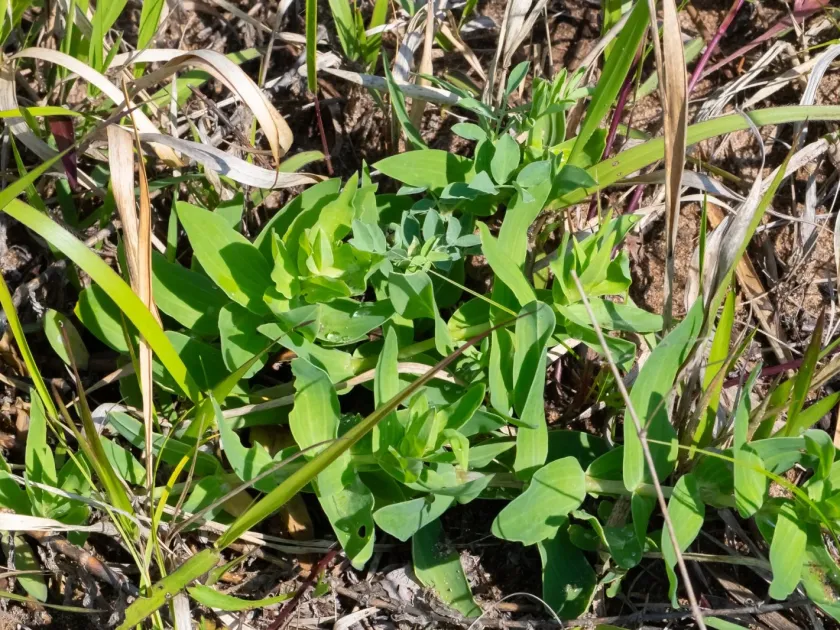
Description
Sowing dates
Sowing of Pacific gypsophila seeds is typically conducted in early spring as the soil warms up or during late autumn for winter sowing. Seeds require cold stratification to improve germination rates.
Seeds should be sown at a depth of 1 to 1.5 cm. Maintaining a row spacing of 40–50 cm is crucial as the plants grow into sprawling bushes that require significant space for root development.
During the first year, the crop exhibits slow growth, primarily focusing on building a basal rosette of leaves. Weed control is essential during this establishment phase to ensure survival.
Once the seedlings develop their first true leaves, thinning is performed to maintain a density of approximately 4–6 plants per square meter for optimal industrial output.
The use of row covers during the early growth stages in cooler regions can protect seedlings from unexpected frosts and encourage faster biomass accumulation.
Growing requirements
Pacific gypsophila belongs to the Caryophyllaceae family and is a perennial herb native to the Russian Far East, where it thrives in rocky terrain and sandy coastal areas.
The plant is highly drought-tolerant and thrives in full sun. Intense solar radiation is a key factor in maximizing the concentration of saponins in its roots.
Well-drained sandy or loamy soils are ideal for this crop. The plant prefers neutral to slightly alkaline pH levels and does not tolerate acidic or waterlogged soil conditions.
Proper soil drainage is vital; stagnant moisture around the roots during winter or spring can easily lead to root rot and complete crop loss in poorly drained fields.
As a hardy perennial, it demonstrates excellent frost resistance, making it suitable for cultivation in climates with long, cold winters where other crops might fail.
Yield
The primary economic focus of Pacific gypsophila is the extraction of saponins, which are widely utilized in the pharmaceutical, cosmetic, and food processing industries.
Maximum saponin yield is obtained from 3–4-year-old plant roots. Farmers aim to harvest during this peak maturity phase to ensure high quality and volume of technical raw materials.
Typical dry root yields range from 1.5 to 2.5 tonnes per hectare, depending on soil fertility, moisture management, and the overall agricultural practices applied to the crop.
The aerial biomass is also harvested and processed to extract secondary substances, making the entire plant a valuable resource for various industrial applications.
Strategic fertilization, specifically targeting phosphorus and potassium levels during the budding phase, is critical for enhancing root development and biomass quantity.
Main diseases and pests
The plant is susceptible to various fungal pathogens if the growing environment is too humid. Fusarium wilt and powdery mildew are the most common concerns for farmers.
Root rot is the most serious threat in heavy, compacted soils where aeration is insufficient. Crop rotation is strongly recommended to minimize soil-borne disease pressure.
Cutworms are common pests that attack the foliage and young shoots, often necessitating nighttime monitoring to identify and mitigate damage during the early growth phase.
Aphid infestations can occur during the flowering period, potentially weakening the plant and affecting root quality. Biopesticides are the preferred method for managing such outbreaks.
Mechanical cultivation remains the primary method for controlling weeds in the early years of the plantation, as chemical herbicide options are limited for this niche crop.
Harvesting
Harvesting usually takes place in late autumn when the plant enters dormancy, or in early spring before the start of the new vegetative cycle, ensuring high saponin concentration.
Specialized digging equipment, such as heavy-duty potato harvesters, is required to reach the deep roots while minimizing damage and loss during the extraction process.
Once harvested, roots must be thoroughly cleaned of soil, washed, and sliced to facilitate efficient drying in temperature-controlled facilities with strong airflow.
Drying temperatures must be strictly kept below 60 degrees Celsius to prevent the degradation of bioactive saponins and maintain the purity of the final raw material.
Proper post-harvest storage involves dry, well-ventilated conditions to protect the processed roots from moisture-related spoilage and ensure a shelf-stable industrial product.