
Gymnocalycium paraguayense
Gymnocalycium paraguayense
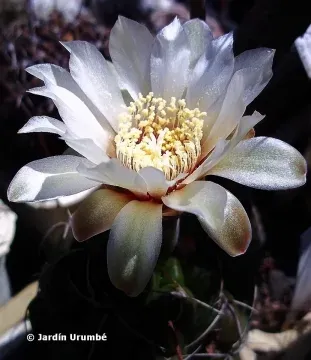
Description
Growing requirements
Gymnocalycium paraguayense is a distinct species within the Cactaceae family, native to the arid regions of Paraguay. It is a succulent plant characterized by its compact, spherical body.
The plant structure features well-defined ribs with tubercles, which host areoles from which small, curved spines emerge, providing a classic aesthetic for cactus collectors.
Cultivation requires bright, indirect sunlight to maintain the plant's health and coloration. Excessive direct summer sun may cause the epidermis to turn reddish or sustain permanent burns.
The soil substrate must be highly porous. A standard mix should include pumice, coarse sand, and a small percentage of organic compost to facilitate rapid drainage and prevent water stagnation.
Temperature management is critical: active growth occurs between 20 and 30 degrees Celsius, while a cooler dormant period is required during winter to mimic the plant's natural habitat cycle.
Main diseases and pests
The most common physiological threat is root rot caused by overwatering or poor drainage systems, which quickly leads to tissue collapse and death.
Spider mites are the primary pests that thrive in hot, dry conditions, frequently damaging the skin of the cactus and weakening its overall structure.
Mealybugs are another common challenge, often hiding in the deep grooves between the ribs where they are difficult to reach with standard surface treatments.
Integrated pest management, including the use of systemic insecticides or neem oil, is recommended for those keeping large collections of this species.
Consistent environmental monitoring ensures that potential issues are caught early, allowing for timely treatment and long-term vitality of the succulent specimen.