
Gymnocalycium monvillei
Gymnocalycium monvillei
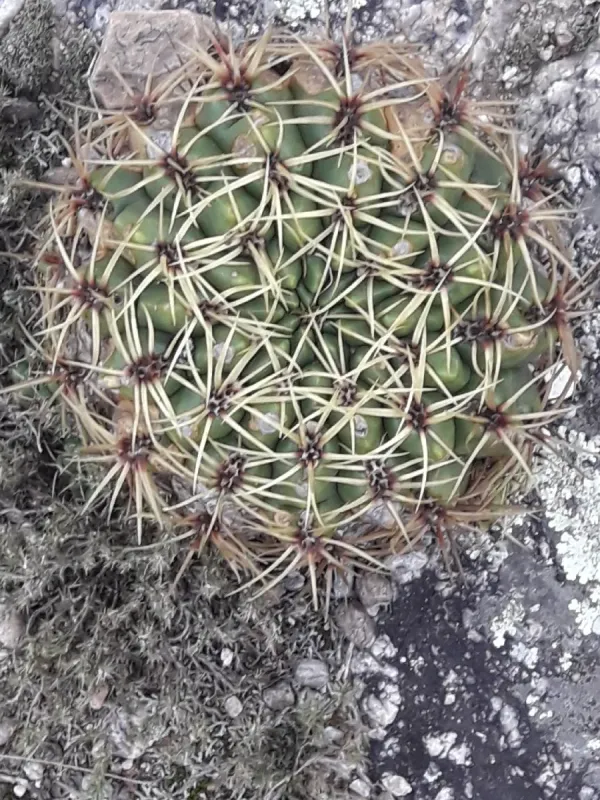
Description
Sowing dates
Propagation of Gymnocalycium monvillei in both commercial and hobbyist settings is most commonly achieved through seed sowing. This process should be conducted in the spring as daylight hours increase, providing the necessary photoperiod for germination.
For successful germination, a substrate with high air permeability and low acidity is required. It is essential to maintain a stable temperature between 22 and 25 degrees Celsius and keep humidity levels high until the first sprouts emerge.
An alternative method of reproduction is vegetative propagation using offshoots, although this is less common as the species typically exhibits a solitary growth habit.
Pre-sowing seed treatment should include disinfection to significantly reduce the risk of fungal infections during the early stages of seedling development.
After transplanting, seedlings require a gradual adaptation to standard cultivation conditions to prevent stress and ensure long-term health.
Growing requirements
Gymnocalycium monvillei belongs to the Cactaceae family and originates from the rocky regions of Argentina, where it thrives on well-drained slopes.
The plant requires bright, indirect light, as direct midday sun can cause epidermis burns despite the species' natural resilience to harsh environments.
The soil mixture should consist of equal parts sod soil, leaf mold, and coarse sand, with an mandatory drainage layer at the bottom of the container.
Watering during the active growth period should be moderate; it is vital to allow the soil to dry out completely between waterings to prevent root rot.
During the winter, the plant requires a dormant period with temperatures between 8 and 12 degrees Celsius and almost no watering to prepare for the spring blooming cycle.
Main diseases and pests
The primary threat to Gymnocalycium monvillei is root rot, which occurs due to excessive moisture in the substrate combined with low ambient temperatures.
Common pests include mealybugs, which target the apical growth points and the spaces between ribs, extracting essential plant juices.
Spider mites can also be a significant issue, particularly in conditions of low humidity and poor ventilation during the summer months.
Disease prevention involves regular inspection of the cacti and maintaining a clean growing area, supplemented by the use of systemic insecticides at the first sign of infestation.
In cases of fungal infection, immediate repotting is necessary, involving the removal of damaged root tissue and the application of appropriate fungicides.
Harvesting
The economic use of Gymnocalycium monvillei is limited to decorative horticulture, where the primary objective is to maintain a healthy and floriferous specimen.
The flowering season occurs throughout the spring and summer, during which the plant produces large, funnel-shaped flowers in shades of white or pale pink.
Seed collection is possible following successful cross-pollination, which is performed manually using a soft brush when the flowers are fully open.
The fruits are fleshy berries that ripen several weeks after pollination, containing numerous small seeds with high viability rates.
Post-vegetation care focuses on gradually reducing water intake to stimulate stem hardening and the storage of nutrients before the winter dormancy.