
Gymnocalycium mendozaense
Gymnocalycium mendozaense
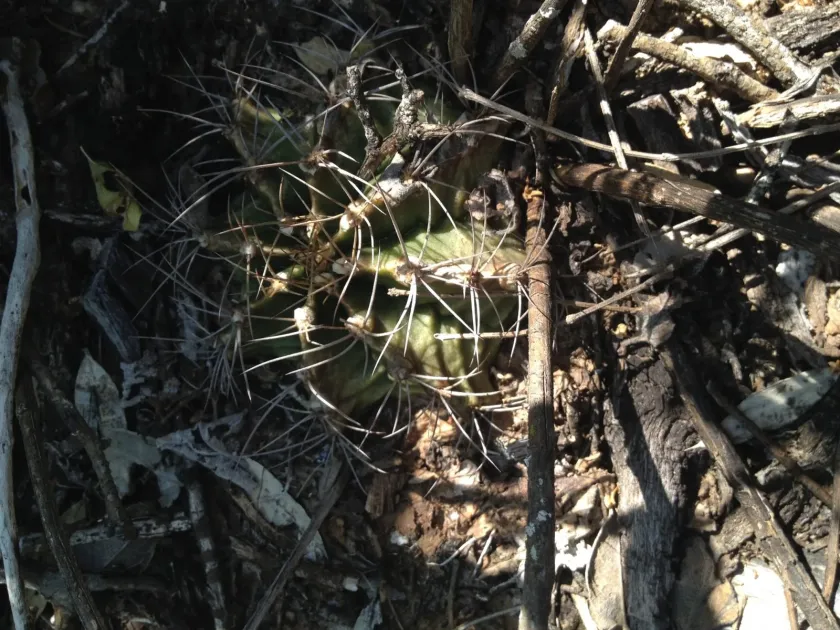
Description
Sowing dates
Sowing of Gymnocalycium mendozaense seeds is best performed in the spring, ideally between March and May. This timing ensures that the young seedlings receive adequate daylight hours for robust development during their first growing season.
To ensure high germination rates, seeds require pre-sowing treatment to maintain a sterile environment. Sowing should be done on the surface of a fine-grained, well-draining sandy-peat mix that must be kept consistently moist.
Maintaining a stable temperature between +22 and +26 degrees Celsius is a crucial requirement. The seed containers should be covered with glass or transparent film to create a mini-greenhouse effect, provided that they are ventilated daily to prevent condensation issues.
Germination typically occurs within 10 to 14 days post-sowing. Once sprouted, the cover should be removed gradually to acclimate the young cacti to ambient humidity while avoiding exposure to direct, harsh sunlight.
Pricking out the seedlings should not be attempted until at least one year after sowing, once the plants have developed sufficient size and established their primary spines. Care must be taken to protect the delicate root systems during this transition.
Growing requirements
Gymnocalycium mendozaense belongs to the Cactaceae family, native to the arid regions of Argentina, particularly the Mendoza province. This species is recognized by its squat, flattened stem, which typically exhibits grey-green or brownish hues.
The culture requires a specific, mineral-rich, and loose substrate for healthy growth. A mixture of turf soil, coarse sand, perlite, and fine gravel with a neutral or slightly acidic pH is highly recommended to ensure optimal drainage.
Lighting is a critical factor for success; the plant thrives in bright, diffused light. Direct exposure to intense midday sun can cause epidermis burns, so light shading during the hottest summer months is advised for long-term health.
Watering must be strictly regulated; during the active growth period (spring to autumn), the substrate should be watered only after the soil has completely dried out. In winter, the plant enters a dormant phase, requiring almost no water and cooler temperatures around +10–12 degrees Celsius.
Ambient humidity is not a significant factor for this species, as it has evolved in arid conditions. However, adequate air circulation is essential to prevent moisture stagnation, particularly around the root zone.
Main diseases and pests
The primary threats to Gymnocalycium mendozaense are fungal infections, usually precipitated by overwatering or poor drainage systems. Root neck rot is the most common issue, spreading rapidly if proper agricultural practices are not maintained.
Among pests, the spider mite poses the greatest danger, thriving in excessively dry air and stagnant conditions. Infestations are marked by small yellowish spots on the plant's surface, which significantly reduce the cactus's overall vigor.
Mealybugs are another common adversary, often hiding in the crevices between the cactus ribs. Their presence is indicated by white, cotton-like masses, requiring immediate intervention with systemic insecticidal treatments.
Prevention relies heavily on regular inspection of the root system during repotting and strict adherence to a dry-cycle watering regime. Quality drainage layers at the bottom of the pot are essential to mitigate the risk of pathogen outbreaks.
If damage is detected, it is necessary to excise affected tissues, treat the wounds with fungicides, and ensure the substrate is thoroughly dried before resuming any watering activities.