
Gymnocalycium hossei
Gymnocalycium hossei
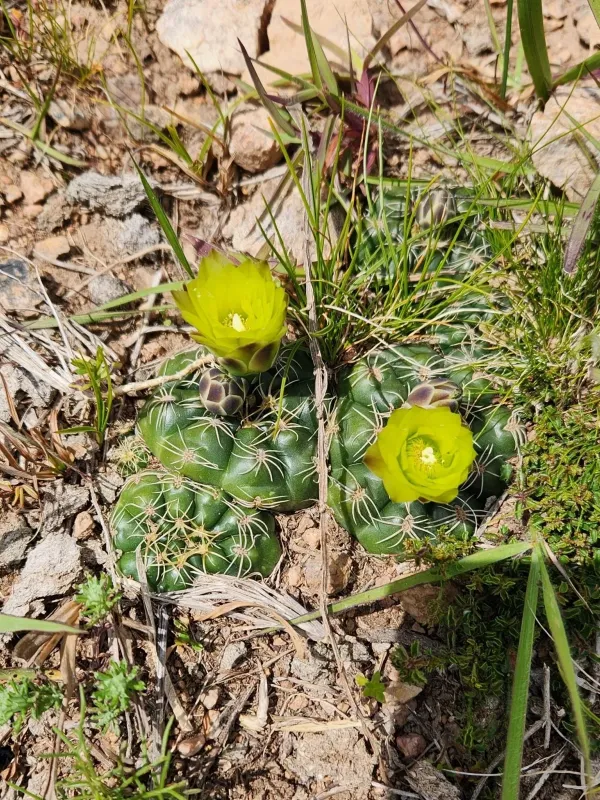
Description
Sowing dates
Propagation of Gymnocalycium hossei is primarily achieved through seeds or offsets. Seed sowing should be performed in a sterile, well-draining substrate during the late spring season to ensure proper germination.
Maintain an ambient temperature between 20 and 25 degrees Celsius and keep the environment consistently humid using a small greenhouse or transparent cover during the early development phase.
Seedlings grow slowly and require careful handling. Transplanting or pricking out should only occur once the young cacti have established their initial spines, which provides better resistance to external conditions.
Offset propagation is a more efficient method for maintaining the parent plant's characteristics. Offsets must be removed carefully, allowed to callous for several days in a shaded area, and then placed on a rooting medium.
Fresh seeds significantly increase the success rate. Ensure the medium used for sowing is free of organic debris that could harbor harmful bacteria or fungi, which are lethal to young specimens.
Growing requirements
Gymnocalycium hossei belongs to the Cactaceae family and is native to the arid regions of Argentina. Its botanical structure features a distinct, ribbed succulent stem, adapted for water storage in dry environments.
The substrate must be highly permeable, mimicking the rocky soil of its native habitat. A mixture of loamy soil, coarse sand, and fine gravel is essential for root health and to prevent water retention.
During the active growth season, water the plant moderately, allowing the soil to dry out completely between sessions. Excessive moisture is the primary cause of root failure in this specific species.
Winter dormancy is crucial for the plant's long-term health. During this phase, place the cactus in a cooler location with temperatures between 10 and 12 degrees Celsius and reduce watering to the absolute minimum.
Bright, diffused light is required for the plant to maintain its natural shape and color. Direct sunlight during peak afternoon hours can damage the skin of the cactus, so proper shading is recommended.
Main diseases and pests
The most common pests affecting this species are spider mites and root mealybugs. These organisms thrive in dry air conditions and can cause significant structural damage to the cactus surface.
Fungal diseases, including stem rot and Fusarium wilt, are the primary threats when cultivation guidelines are not followed. Overwatering is the most frequent trigger for these lethal pathogens.
For pest management, utilize systemic insecticides or neem oil treatments upon the first sign of infestation. Always ensure that the infected plant is isolated from the rest of the collection to prevent spreading.
Preventive maintenance involves regular inspection of the root neck and the spaces between the ribs, where pests often hide. Proper air circulation is vital to discourage mold and insect colonization.
To prevent fungal infections, use a top dressing of mineral gravel around the plant's base. This minimizes contact between the stem and the moist soil, significantly reducing the risk of rot development.