
Gymnocalycium gibbosum
Gymnocalycium gibbosum
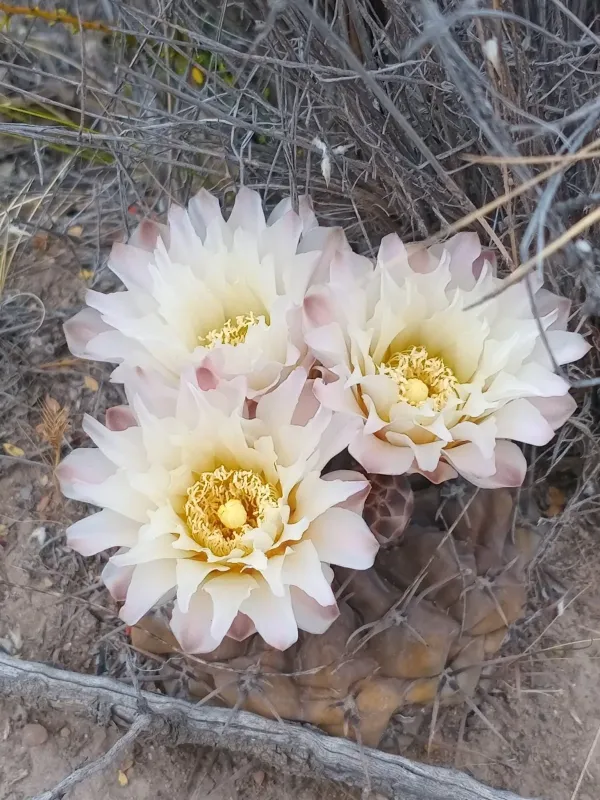
Description
Sowing dates
The propagation of Gymnocalycium gibbosum is primarily achieved through seeds, which should be sown during the early spring months. This timing provides the optimal balance of light and temperature required for the seedlings to establish a healthy root system before winter.
Use a sterile, well-draining substrate composed of fine sand and finely sifted peat. Scatter the seeds evenly across the moist surface, ensuring they are only lightly pressed into the soil to ensure adequate light exposure for germination.
Maintain a constant temperature between 22 and 26 degrees Celsius and cover the tray to sustain high humidity levels. Germination usually occurs within a few weeks, provided that the environment remains stable and free from sudden temperature fluctuations.
Once seedlings begin to emerge, it is crucial to introduce light gradually to prevent burning. Remove the cover progressively over several days to acclimate the young cacti to ambient humidity levels, which helps develop a tougher epidermis.
Pricking out the seedlings should be done only when they are robust enough to handle the stress of repotting. Individual pots or a larger collective container can be used, ensuring each plant has sufficient space to develop its characteristic gibbous stem structure.
Growing requirements
Gymnocalycium gibbosum is a member of the Cactaceae family, originating from the arid regions of Argentina. It thrives in conditions that mimic its natural habitat, requiring bright, filtered light and a well-aerated soil mixture rich in mineral components.
The substrate must be porous, typically a mix of loam, grit, and coarse sand. It is vital to ensure that the drainage layer at the bottom of the pot is efficient, preventing any water accumulation that could lead to root asphyxiation and rot.
During the growing season, water the plant only when the soil has completely dried out. The "soak and dry" method is the gold standard for this species, ensuring the plant never sits in wet soil, which is the most frequent cause of mortality in cultivation.
Winter dormancy is essential for the health of Gymnocalycium. During this phase, keep the plants in a cool, dry area with temperatures around 10 degrees Celsius and withhold water entirely to allow the plant to rest and accumulate energy for flowering.
Fertilization should be done sparingly, using a low-nitrogen, high-potassium cactus fertilizer. Over-fertilization results in rapid, weak growth that makes the plant more susceptible to pests and reduces its natural resistance to environmental stress.
Main diseases and pests
The most common threat to Gymnocalycium gibbosum is fungal infection, typically caused by overwatering or poor ventilation. If the stem base turns mushy or dark, immediate action, including repotting into dry substrate, is required to save the plant.
Spider mites are notorious pests that attack this cactus, manifesting as fine webbing and mottled discoloration on the stem. Regular inspection and the use of appropriate miticides are necessary to keep the population under control.
Mealybugs can also infest the plant, hiding in the crevices between the ribs. These pests can be effectively managed by spot-treating with isopropyl alcohol or using systemic insecticides approved for succulent culture.
Physiological damage, such as sunscald, occurs when the plant is exposed to intense sunlight too suddenly after being in a shaded location. Always acclimatize your cacti to higher light intensities gradually over the course of several weeks.
To maintain a healthy collection, always quarantine new plants for at least three weeks. This practice prevents the introduction of pests and diseases that can quickly spread among other cacti kept in close proximity on the same shelf.