
Gymnocalycium erinaceum
Gymnocalycium erinaceum
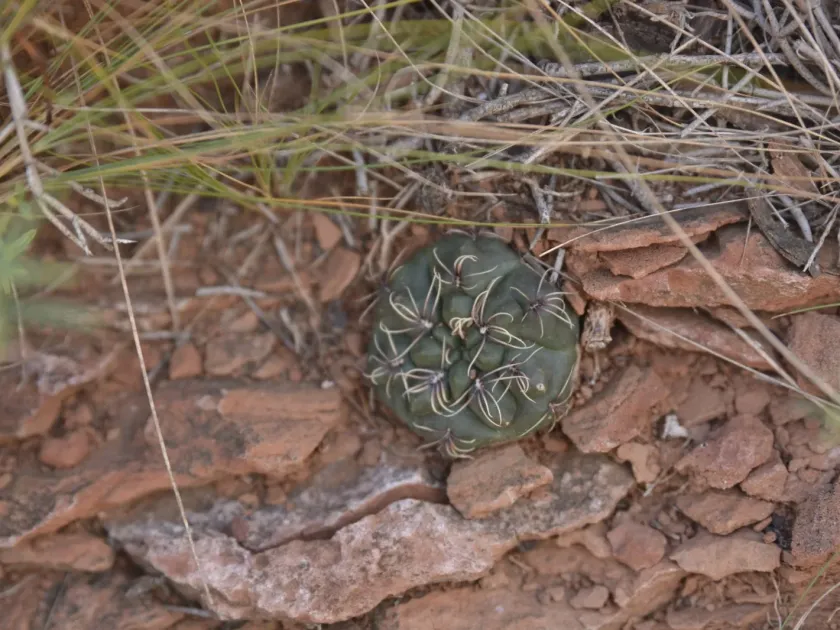
Description
Growing requirements
Gymnocalycium erinaceum is a small, slow-growing member of the Cactaceae family, native to the arid mountainous regions of Argentina. It is a highly valued ornamental crop among cactus enthusiasts due to its distinct, bristly appearance and large, attractive flowers.
The species requires bright, indirect sunlight to maintain its natural compact shape and health. Exposure to harsh afternoon sun in hot climates should be avoided, as it can damage the skin of the cactus, causing irreversible yellowing or scarring.
Soil composition is critical for this species; it requires a porous, fast-draining substrate to replicate its native rocky habitat. A standard mix should include grit, pumice, and a very small amount of low-organic potting soil to ensure optimal aeration.
Climate requirements involve a distinct seasonal shift. During the growing season (spring to autumn), the plant thrives in temperatures between 20°C and 30°C. In winter, it must enter a cold, dry dormancy period to stimulate future flowering.
Agrotechnical maintenance focuses on a "soak and dry" watering method. Growers must allow the substrate to dry out completely between waterings to prevent root rotting. During the growing season, a balanced cactus fertilizer can be applied sparingly.
Main diseases and pests
Root rot is the most common threat to Gymnocalycium erinaceum, usually caused by overwatering or poor drainage systems. Once the root system is compromised, the cactus can collapse rapidly, making proper moisture management essential.
Pests such as mealybugs often hide in the deep crevices between the ribs of the plant. These pests are difficult to remove manually, so systemic insecticides are recommended to keep the cactus healthy and free from infestations.
Spider mites are another common nuisance, particularly when the ambient air is too dry for prolonged periods. They feed on the plant surface, leaving behind unsightly discolored patches and weakening the overall structure of the cactus.
Fungal infections can also occur if the humidity remains high without adequate air circulation. Keeping the environment well-ventilated and avoiding splashing water directly onto the stem is a primary preventative measure for all growers.
Regular inspection of the plant's base and root zone during seasonal repotting is vital for early detection of potential threats. By maintaining a strict hygiene routine, growers can ensure the longevity and beauty of this specific cactus species.