
Gymnocalycium chiquitanum
Gymnocalycium chiquitanum
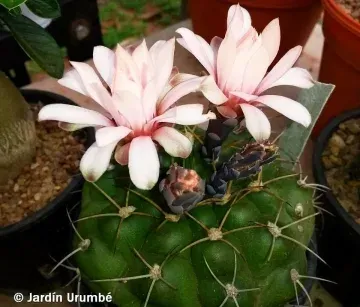
Description
Sowing dates
Seeds of Gymnocalycium chiquitanum should be sown during the late spring to ensure maximum light intensity. Maintaining a stable temperature between 22–25 degrees Celsius is critical for high germination rates.
A sterilized, well-draining substrate made of sand and peat is recommended for sowing. Place seeds on the surface and press them lightly without covering them with a thick layer of soil.
Cover the sowing tray with clear plastic to maintain high humidity during the initial weeks. Once the seedlings appear, provide adequate ventilation to prevent fungal growth caused by stagnant air.
Gradual acclimatization to lower humidity is necessary after the seedlings develop their first spines. This process helps them become more resilient to typical household conditions.
Transplanting should only occur when the seedlings are large enough to be handled. Use a gentle touch to avoid damaging the fragile root system that develops in the early stages.
Growing requirements
Belonging to the Cactaceae family, Gymnocalycium chiquitanum is native to the arid regions of Bolivia. It features a distinctive globose body that can grow into a cluster over time.
This species thrives in bright, filtered light. While it loves the sun, it is prone to sunburn in extreme direct afternoon light, so positioning near an east-facing window is often ideal.
The potting medium must be highly porous. A mixture of loam, coarse sand, and fine volcanic rock or gravel is preferred to ensure that water never sits around the roots.
Watering should be strictly seasonal, with a complete cessation of irrigation during the winter dormant period. During the growth phase, wait until the soil is bone dry before watering again.
The plant requires a significant drop in temperature during the winter to trigger its flowering cycle. Keeping it between 10–12 degrees Celsius in a bright, dry location is essential for blooming.
Main diseases and pests
Mealybugs are a common pest for this cactus, often hiding in the crevices between the ribs. Manual removal with a cotton swab dipped in alcohol or applying systemic insecticides can manage infestations.
Spider mites can occur if the humidity is extremely low. They cause unsightly scars and dry patches on the skin of the plant, which may become permanent if not treated early.
Root rot is the most dangerous condition for this species, usually caused by overwatering. If the base of the stem turns soft or dark, immediate repotting into dry substrate is required.
Fungal spots on the epidermis can result from poor air circulation or cold, damp conditions. Ensuring the plant is kept in a well-ventilated area helps prevent these issues from developing.
Routine inspections are the best defense against pests. Checking under the spines and near the base of the plant during each watering session can lead to early detection of any health issues.