
Gymnocalycium calochlorum
Gymnocalycium calochlorum
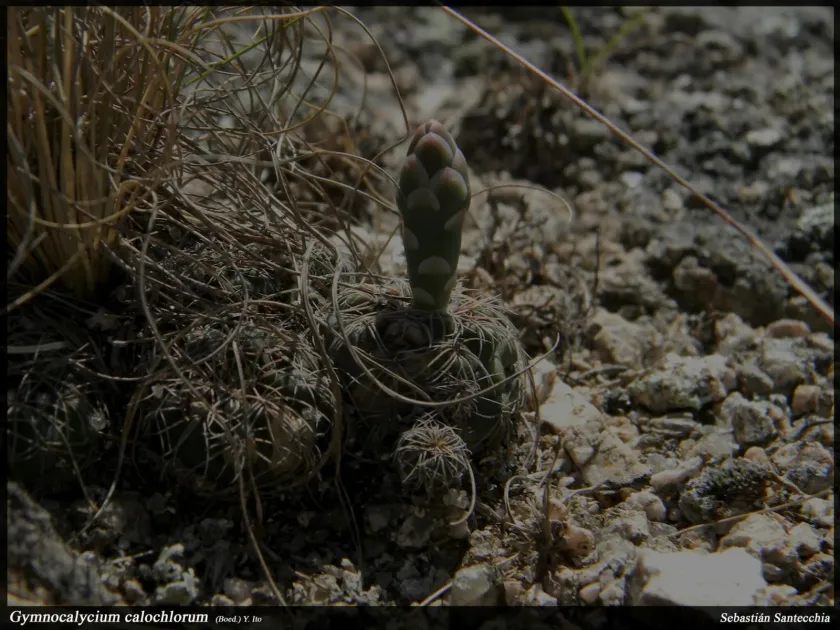
Description
Growing requirements
Gymnocalycium calochlorum is a distinctive species of cactus belonging to the family Cactaceae. Native to the mountainous regions of Argentina, this plant has evolved to thrive in rocky environments where drainage is excellent and nutrient availability is limited.
The plant is characterized by a flattened, globular stem structure with pronounced ribs and relatively small, needle-like spines. Its emerald green epidermis and compact growth pattern make it a highly desirable specimen for cactus enthusiasts and botanical collections worldwide.
For successful cultivation, this species requires bright but indirect light conditions. In its native habitat, it often grows in the shade of grasses or shrubs, meaning that providing filtered sunlight in an indoor setting is crucial to prevent sunburn and maintain its aesthetic appeal.
The substrate must be highly porous and well-draining to mimic its natural environment. A mix of coarse sand, perlite, and mineral-based grit with minimal organic content is recommended to ensure that excess water drains away quickly and the roots are properly aerated.
Economically, Gymnocalycium calochlorum is cultivated primarily for the horticultural market. Its value lies in its longevity, the potential for repeated seasonal flowering, and its relative ease of maintenance for those who understand its specific environmental needs.
Main diseases and pests
Root rot caused by overwatering is the primary threat to the health of Gymnocalycium calochlorum. This condition is particularly dangerous during the winter dormancy period when the plant's metabolic rate slows down and its ability to absorb water is significantly reduced.
Pest infestations, particularly by spider mites and mealybugs, represent a common challenge for growers. These pests tend to congregate in the deep grooves between the ribs of the plant, making them difficult to detect and eradicate without thorough inspection.
To mitigate these threats, growers should practice a rigorous pest monitoring routine and use systemic insecticides when necessary. Improving air circulation around the plant can significantly decrease the risk of fungal infections and infestations of humidity-loving pests.
Preventative care also involves maintaining a strict watering schedule, which relies on the total desiccation of the potting soil between waterings. Applying a top dressing of gravel or small stones can help keep the plant's base dry and prevent direct contact with moisture.
In cases of severe damage, surgical removal of rotting tissue followed by proper desiccation and re-rooting may be necessary. With attentive care and optimal environmental control, Gymnocalycium calochlorum remains a robust and long-lived horticultural specimen.