
Gulgal
Citrus pseudolimon Tanaka
Description
Growing requirements
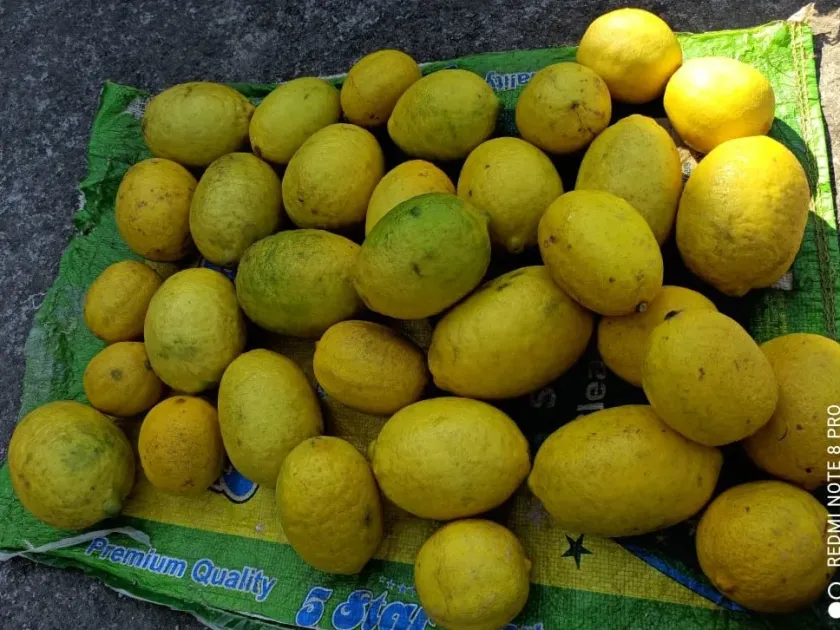
Gulgal (Citrus pseudolimon Tanaka) is an evergreen citrus plant belonging to the Rutaceae family. It is recognized for its unique characteristics that bridge the gap between traditional lemons and other hybrid citrus species native to Southeast Asia.
The culture thrives in subtropical climates that offer consistent warmth and high humidity. It is sensitive to frost and requires protection or indoor management in cooler, temperate regions to maintain healthy growth throughout the year.
Soil requirements focus on well-drained loamy textures with a slightly acidic pH (5.5–6.5). Proper soil aeration is critical for root development, and organic matter enrichment is highly recommended to improve overall plant vigor and fruit production.
The agronomic maintenance includes regular irrigation, preventing water stress during flowering and fruit setting. Fertilization cycles should prioritize balanced NPK ratios with essential micronutrients like iron and zinc to support photosynthesis.
Economically, Gulgal is utilized for its aromatic zest and acidic juice. It is often integrated into local culinary traditions and industrial processes aimed at extraction of essential oils and specialized food additives.
Main diseases and pests
The primary pests affecting Citrus pseudolimon include citrus whitefly, spider mites, and scale insects. These pests cause significant foliage damage by sap-sucking, which results in reduced vigor and can lead to secondary infections.
Common diseases involve fungal pathogens such as anthracnose and root rot, which typically occur due to excessive soil moisture or poor orchard ventilation. These conditions severely impact fruit quality and total orchard yield.
To maintain plantation health, growers implement integrated pest management (IPM) strategies. This involves using pheromone traps, biological control agents, and precise applications of horticultural oils or specialized insecticides.
Chlorosis is a frequent physiological disorder observed when the soil pH is improperly managed or micronutrients are unavailable. Regular leaf analysis helps adjust the fertilization schedule to prevent nutritional deficiencies.
Sanitation practices, such as removing pruning debris and managing weeds, are essential to break the life cycle of pests and fungal spores. Consistent monitoring of environmental conditions remains the best tool for preventing disease outbreaks.