
Grusonia pulchella
Grusonia pulchella
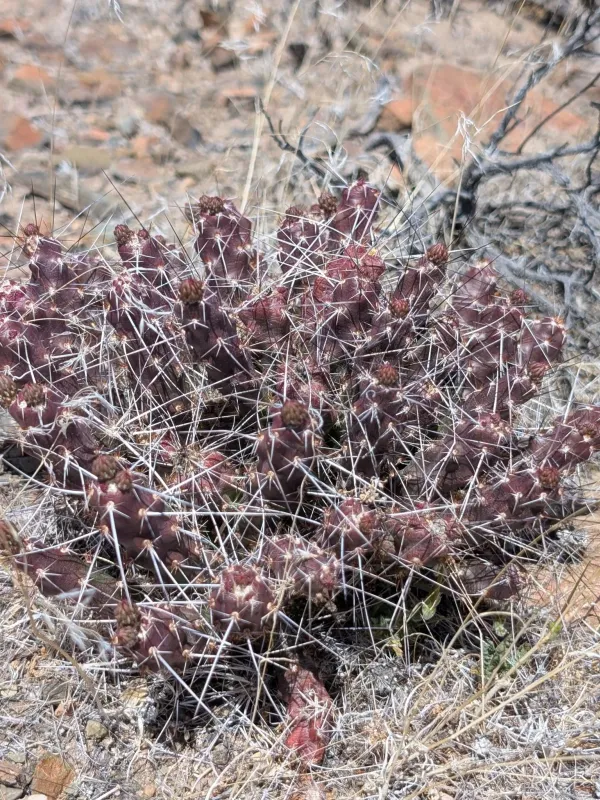
Description
Growing requirements
Grusonia pulchella is a fascinating species belonging to the Cactaceae family, known for its resilience in arid environments. Native to the southwestern regions of the United States, this cactus has evolved to thrive in desert landscapes with poor soils and intense sunlight.
The plant features distinct, segmented stems protected by dense spines. A key botanical feature is its large, tuberous root system, which acts as a primary storage organ for water, allowing the plant to remain dormant during prolonged dry seasons.
Light requirements for Grusonia pulchella are high; the plant requires full sun to maintain its compact shape and healthy spine development. Insufficient light levels will cause the segments to stretch unnaturally, making the cactus structurally weak and prone to collapse.
The soil must provide excellent drainage to prevent root rot, which is the leading cause of plant mortality. A mixture of grit, coarse sand, and a small amount of mineral-rich substrate is highly recommended to mimic its natural habitat conditions.
Cultivation requires strict adherence to seasonal cycles. During the growing season, regular but sparse watering is needed, while the dormant winter period requires cool temperatures and a completely dry substrate to ensure a successful bloom in the following season.
Main diseases and pests
The most significant threat to Grusonia pulchella is overwatering, which creates a breeding ground for fungal and bacterial pathogens. Once the root system begins to rot, the entire plant can decline rapidly, making salvage very difficult.
Root mealybugs pose a hidden threat, living beneath the soil surface and attacking the storage roots. These pests are notoriously difficult to treat and require systematic soil-drenching insecticides to eradicate effectively.
Spider mites are another common issue, especially in environments with poor airflow. These tiny pests pierce the epidermis to extract sap, leaving behind unsightly yellow scarring that permanently disfigures the plant's surface.
Effective control involves isolating new arrivals to check for infestations before introducing them to the general collection. Maintaining clean growing conditions and ensuring adequate ventilation can drastically reduce the risk of outbreaks.
In cases of severe infestation, using contact or systemic insecticides is necessary. Always follow the manufacturer's instructions for concentration to avoid damaging the delicate tissues of the cactus during treatment.