
Grusonia bradtiana
Grusonia bradtiana
Description
Growing requirements
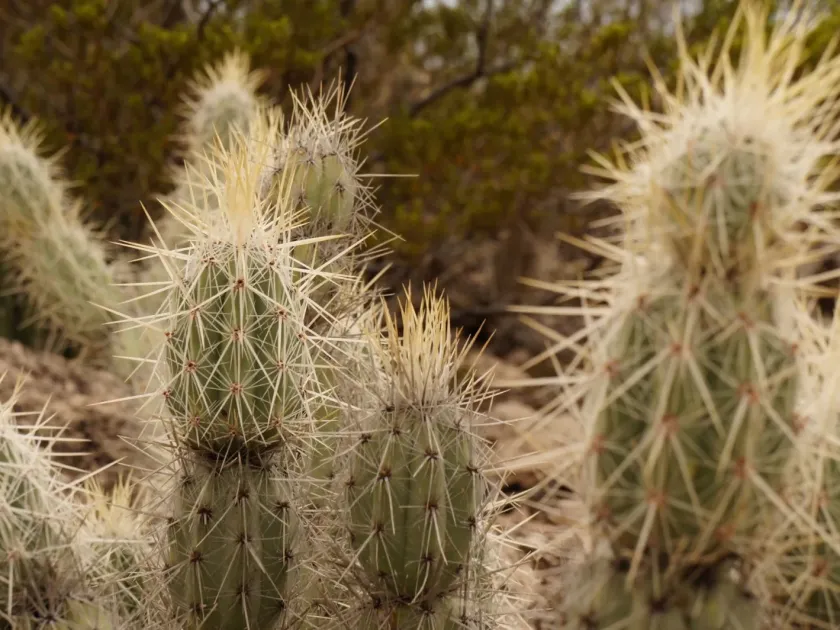
Grusonia bradtiana is a resilient succulent species belonging to the Cactaceae family. It is characterized by its growth habit, forming dense, spine-covered mats that can extend over large surface areas in its natural desert habitat.
The native distribution of this species is confined to the arid desert regions of northern Mexico. These plants have evolved to thrive in harsh environments characterized by prolonged droughts, high solar radiation, and minimal rainfall.
For successful cultivation, the species requires full sun exposure throughout the day. It is essential to replicate its natural environment by providing high-intensity light, which is crucial for maintaining the plant's structural integrity and dense spinosity.
The substrate must be highly porous and well-draining, mimicking the rocky or sandy soils of its native habitat. A mixture of inorganic components such as pumice, grit, and sand is highly recommended to prevent the risk of water stagnation.
Temperature management is vital; while the plant is tolerant of heat, it requires a significant temperature drop during the winter months to enter a state of dormancy. This resting period is critical for the plant's health and future development.
Main diseases and pests
The primary threat to the health of Grusonia bradtiana is root rot caused by moisture accumulation in the soil. Overwatering is the most common mistake in cultivation, leading to rapid tissue degradation and plant death.
Pests such as mealybugs and spider mites frequently target the plant, feeding on the succulent tissue. These infestations can weaken the plant and serve as vectors for secondary bacterial or fungal infections.
Effective management involves the use of systemic insecticides and acaricides when pest populations are identified. It is important to treat the plants carefully to avoid damaging their delicate epidermis or waxy surface layer.
Prevention includes maintaining clean cultivation conditions, ensuring adequate airflow around the plants, and monitoring humidity levels. Proper ventilation effectively reduces the risk of mold growth and pathogen proliferation.
Regular inspection of the root zone and stems allows for early detection of issues. Should signs of rot appear, it is imperative to prune the affected areas immediately and allow the plant to heal in a dry, well-ventilated environment.