
Grusonia moelleri
Grusonia moelleri
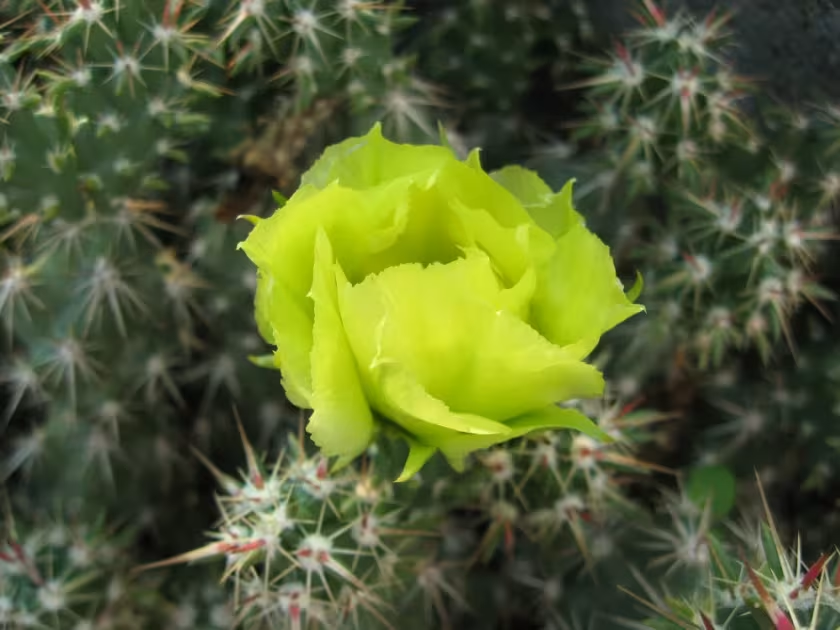
Description
Growing requirements
Grusonia moelleri is a distinctive cactus species belonging to the Cactaceae family. Originally native to the arid environments of Mexico, it has become a sought-after plant for succulent enthusiasts due to its unique segmentation and resilient nature.
Botanically, the plant is characterized by its cylindrical, easily detached segments and well-developed spines. It thrives in environments that replicate its natural habitat, emphasizing high sunlight exposure to maintain its compact growth form and health.
Soil requirements are strict: the substrate must be highly porous and mineral-based. A standard mix typically includes coarse sand, perlite, and small gravel, ensuring rapid drainage to prevent water accumulation near the root system.
Regarding climate, this species prefers intense daytime heat and a significant cooling effect during the night. It is adapted to extreme aridity and requires very little humidity, making it well-suited for desert-style greenhouse conditions.
The agrotechnical management involves a distinct dormant period during winter, where temperatures should be kept cool, and irrigation should be suspended to ensure the plant enters a rest state, preventing etiolation.
Main diseases and pests
The primary threats to Grusonia moelleri are fungal pathogens resulting from excessive moisture. Fungal rot can quickly destroy the segment structure if the soil remains wet for extended periods.
Spider mites are the most common pest, thriving in the dry, warm environments where this cactus grows best. They feed on the epidermis, leaving unsightly scars and draining the plant of essential fluids.
Mealybugs represent another significant challenge, often hiding deep within the dense spine clusters. Their presence can weaken the cactus and promote the growth of secondary bacterial or fungal infections.
Root nematodes can also be a hidden threat, particularly if non-sterile potting materials are introduced. Careful inspection of root systems during repotting is essential for early detection of these pests.
Effective pest management relies on a combination of regular visual inspections, proper hygiene in the growing space, and the use of targeted acaricides or insecticides when necessary to keep populations under control.