
Grapefruit
Citrus x paradisi Macfad.
Description
Growing requirements
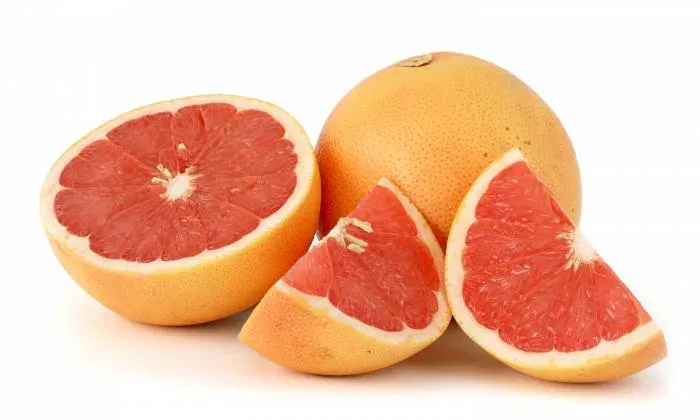
Grapefruit (Citrus x paradisi Macfad.) is a subtropical citrus tree known for its relatively large, semi-sweet to sour fruit. It belongs to the Rutaceae family and is believed to have originated in Barbados as a natural hybrid between a pomelo and a sweet orange.
The crop requires a warm climate with minimal risk of frost. Optimal growth occurs in regions with average temperatures ranging between 20°C and 30°C. Cold stress can lead to branch dieback and significantly reduce fruit quality.
Soil quality is paramount; grapefruit prefers deep, well-drained, slightly acidic to neutral soils. Sandy loam soils are ideal as they allow for rapid water drainage, which is crucial for preventing root rot and other moisture-related pathologies.
Regular irrigation is essential for high production, especially in regions with distinct dry seasons. Sophisticated drip irrigation systems are often used in modern orchards to ensure consistent soil moisture levels throughout the developmental stages.
Full sun exposure is required for the trees to photosynthesize effectively and produce high-quality, high-sugar fruit. Protection from strong, drying winds is often implemented using windbreaks to prevent damage to the canopy and fruit drop.
Main diseases and pests
Major pests affecting grapefruit include various species of scale insects, mealybugs, and the citrus rust mite. These insects damage the fruit peel and leaves, causing aesthetic defects and reducing the overall tree vigor.
Fungal diseases like citrus melanose and foot rot (Phytophthora) are common threats in humid environments. These pathogens typically attack trees with poor drainage or those suffering from nutrient deficiencies.
Citrus Tristeza Virus (CTV) remains one of the most critical threats to the citrus industry worldwide. It is transmitted primarily by aphids and can lead to the rapid decline and death of infected trees.
Integrated Pest Management (IPM) strategies are utilized to manage these threats. This includes the introduction of beneficial predatory insects, routine monitoring of pest populations, and the use of targeted biological sprays.
Good orchard sanitation, such as the removal of dead wood and the application of balanced fertilizer programs, helps maintain tree health and enhances natural resistance to disease outbreaks.
Harvesting
Grapefruit harvest timing is based on the internal quality parameters, specifically the total soluble solids (Brix) and the acid ratio. Testing is conducted periodically before the harvest begins to ensure the fruit meets market standards.
The fruit is harvested by hand using clippers to cut the stem carefully. This prevents the "plugging" of the fruit skin, a common issue that causes rapid decay if the stem is pulled rather than cut.
Once harvested, the fruit is transported to packing houses where it is cleaned, graded, and sometimes waxed. Waxing is a standard practice that helps prevent dehydration and enhances the shine of the fruit skin.
Storage requires strictly controlled temperatures to extend shelf life. Cold storage at roughly 5-8°C is standard, provided that humidity levels are high enough to prevent shriveling of the rind.
Efficient supply chain management ensures that the fresh fruit reaches domestic and international markets while maintaining its nutritional value and sensory qualities for the consumer.