
Grammitis jungermannioides
Grammitis jungermannioides
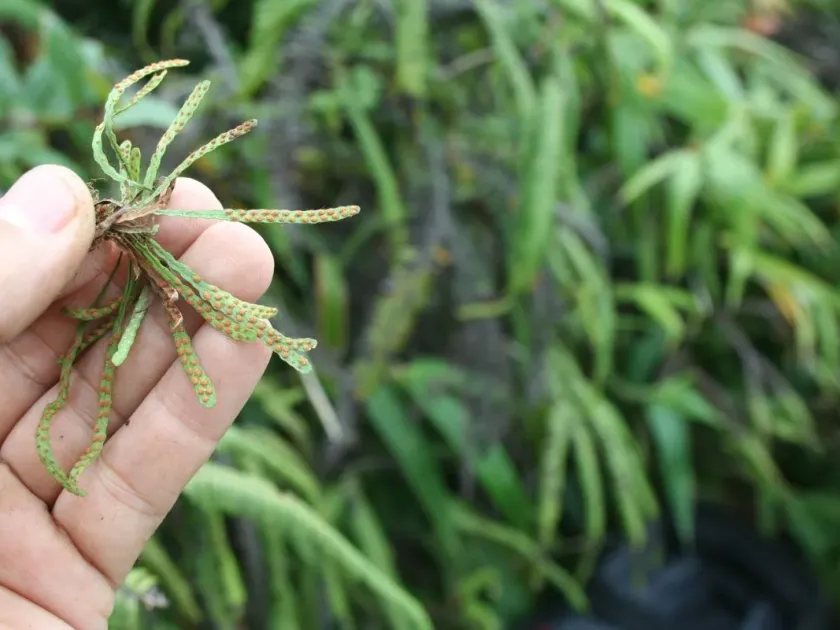
Description
Growing requirements
Grammitis jungermannioides is a specialized epiphytic fern belonging to the Polypodiaceae family. Found primarily in tropical forest ecosystems, this plant typically thrives in high-altitude environments where moisture is abundant and temperatures are relatively stable.
The plant is distinguished by its small, delicate fronds that often resemble leafy liverworts, specifically those in the genus Jungermannia. This unique adaptation allows the fern to integrate into the mossy forest canopy, where it competes for space on the surface of tree trunks and branches.
Regarding its habitat, this fern requires high levels of atmospheric humidity. In its natural setting, the plant relies on daily mist and cloud cover to sustain its physiological functions, as it lacks the robust root systems found in terrestrial plants that store water in the ground.
Optimal cultivation involves keeping the plant in a terrarium or specialized conservatory where microclimatic conditions can be strictly controlled. It requires moderate, diffused light, as direct exposure to harsh sun rays will quickly desiccate its fragile vegetative structures.
The growth medium must be strictly inorganic or based on very airy organic components. A mixture of orchid bark, perlite, and live sphagnum moss is often recommended to ensure that the roots have sufficient oxygenation while remaining moist at all times.
Main diseases and pests
Fungal pathogens represent the most significant threat to the survival of Grammitis jungermannioides in cultivation. These organisms thrive in waterlogged conditions and poorly ventilated spaces, often targeting the rhizome and causing rapid decay of the entire plant.
Pests such as spider mites and mealybugs can also wreak havoc on the plant's delicate tissues. These insects frequently colonize the underside of the leaves, where they drain fluids and weaken the plant, making it more susceptible to opportunistic secondary infections.
Environmental stress caused by sudden fluctuations in temperature or humidity levels can lead to frond drop and growth stagnation. Because this fern is highly specialized for a stable tropical environment, it has low tolerance for dry, seasonal air conditioning or heating systems.
The accumulation of mineral salts from the water supply can damage the root system over time. It is highly advised to use only reverse osmosis water or captured rainwater to prevent the buildup of harmful substances in the potting media.
Managing these threats requires a proactive approach centered on clean cultivation practices. This includes regular inspection of the leaves, maintaining proper air movement without creating drying drafts, and ensuring that the substrate never becomes waterlogged or overly compacted.