
Grammitis billiardierei
Grammitis billiardierei
Description
Growing requirements
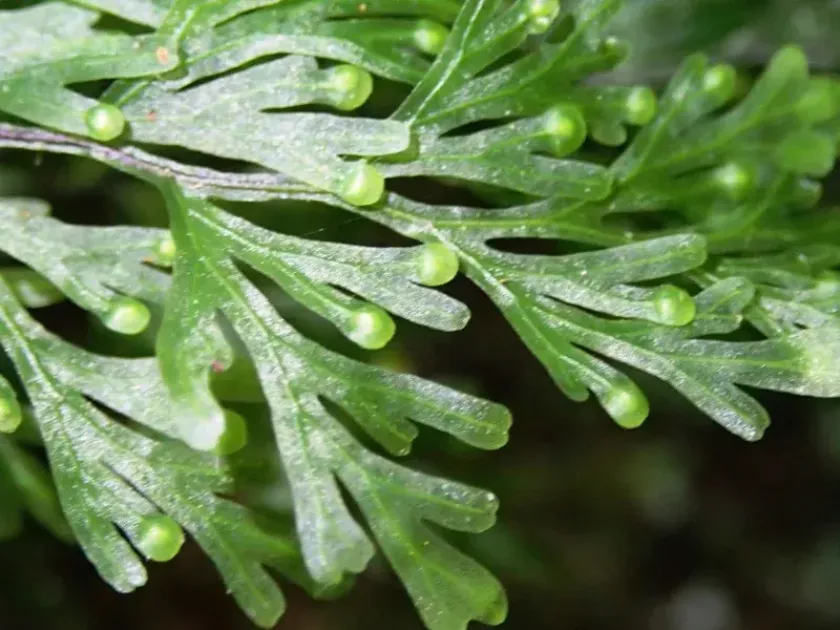
Grammitis billiardierei is a distinct species of epiphytic fern belonging to the Polypodiaceae family. Native to regions characterized by high humidity and temperate forest climates, this plant primarily inhabits the surfaces of tree trunks, branches, and rock crevices in its natural ecosystem.
Temperature control is crucial for the successful cultivation of this species. It thrives best in a stable environment ranging from 15 to 22 degrees Celsius, and it is highly intolerant to sudden temperature shifts or the dry air caused by indoor heating systems during the colder seasons.
The potting medium must replicate an epiphytic environment. A mixture consisting of orchid bark, sphagnum moss, perlite, and a small amount of charcoal is highly recommended to ensure proper aeration for the delicate root system while maintaining optimal moisture levels.
Water quality plays a significant role in the plant's health. It is essential to use soft, room-temperature water, ideally distilled or rainwater, as this species is sensitive to mineral buildup and chlorine often found in tap water supplies, which can damage its leaves.
Regarding light requirements, Grammitis billiardierei prefers bright, filtered sunlight. Direct exposure to solar radiation will almost certainly result in tissue damage, so it is advised to place the plant away from south-facing windows unless the light is heavily diffused.
Main diseases and pests
The most common pests affecting this fern include mealybugs and scale insects. These organisms tend to hide in the crevices of the fronds, where they extract nutrients, causing the plant to lose vigor and develop stunted growth patterns over time.
Root rot, driven by overwatering or poor drainage, is the most lethal condition for this species. When the roots remain in a waterlogged medium, the oxygen exchange is blocked, facilitating the rapid colonization of pathogenic fungi that destroy the plant from the base.
To manage pest infestations, growers should perform regular inspections, particularly on the underside of the leaves. If pests are detected, the use of insecticidal soap or neem oil is usually effective without causing excessive stress to the fern's sensitive tissues.
Preventive maintenance involves ensuring adequate air circulation around the plant, which helps to mitigate the risk of fungal infections. Stagnant air coupled with high humidity provides an ideal environment for mold and mildew to settle on the foliage.
Routine removal of dead or decaying fronds is essential for hygiene. This simple practice prevents the accumulation of organic debris on the growing surface, which could otherwise harbor pests or encourage the growth of harmful bacteria and fungi.