
Grammitis heterophylla
Grammitis heterophylla
Description
Growing requirements
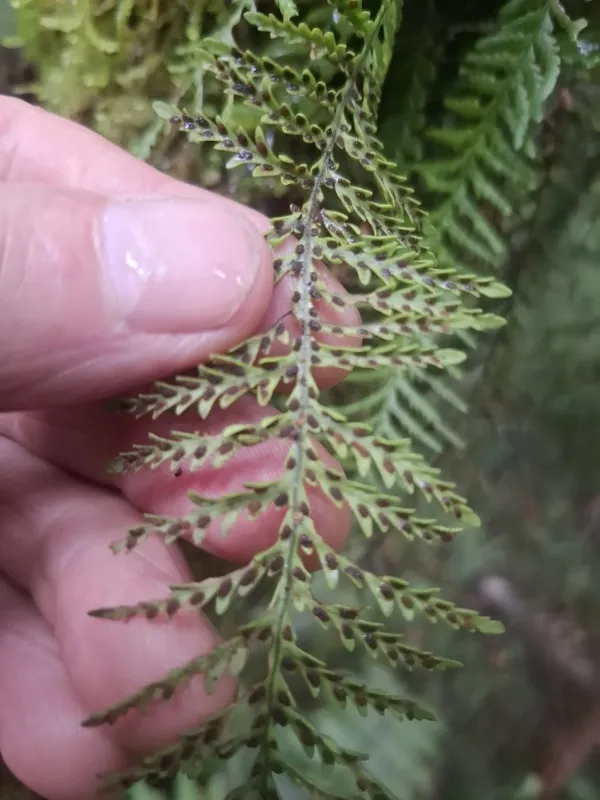
Grammitis heterophylla is a specialized epiphytic fern belonging to the Polypodiaceae family. It is native to the temperate and tropical rainforests of New Zealand, where it typically colonizes moss-covered tree trunks, branches, and rock surfaces within high-humidity microclimates.
The species is botanically distinguished by its heterophyllous nature, meaning it produces different types of fronds. These fronds are generally small, delicate, and leathery, requiring precise moisture levels to maintain their structural integrity and metabolic activity.
In cultivation, the plant requires a highly porous, substrate-based growing medium that mimics its natural epiphyte niche. A blend of orchid bark, long-fiber sphagnum moss, and perlite is recommended to ensure excellent drainage and root aeration, which are critical for preventing rot.
Climate requirements for this culture include cool to moderate temperatures, ideally between 15°C and 22°C. The plant should be protected from direct sun exposure, which can scorch the delicate foliage; instead, it thrives in shaded or dappled light environments found in specialized greenhouses.
The primary economic and hobbyist use of Grammitis heterophylla is as a high-value collector plant for botanic gardens and indoor terrarium culture. Its unique morphology and compact size make it an essential specimen for enthusiasts focusing on rare temperate and tropical pteridophytes.
Main diseases and pests
The most significant threat to this culture is pathogenic fungal attack, which frequently arises from poor air circulation and waterlogged soil conditions. Proper ventilation is essential to avoid the buildup of stagnant, humid air around the fern's crown.
Pests such as scale insects and spider mites are common problems in indoor cultivation, particularly when humidity levels drop below the threshold required for healthy growth. These pests can rapidly compromise the aesthetic value and vitality of the plant.
Environmental stress, often caused by sudden temperature shifts or mineral buildup from water impurities, can lead to chlorosis and the desiccation of frond margins. Maintaining a consistent watering routine with filtered or distilled water is highly recommended.
To mitigate these risks, growers should perform frequent inspections of the foliage, checking both the adaxial and abaxial surfaces for signs of pest activity or fungal mycelium development.
Cultural management should focus on maintaining a steady environment, as Grammitis heterophylla has a limited tolerance for the fluctuating conditions often found in common household settings without humidity control systems.