
Grammitis basalis
Grammitis basalis
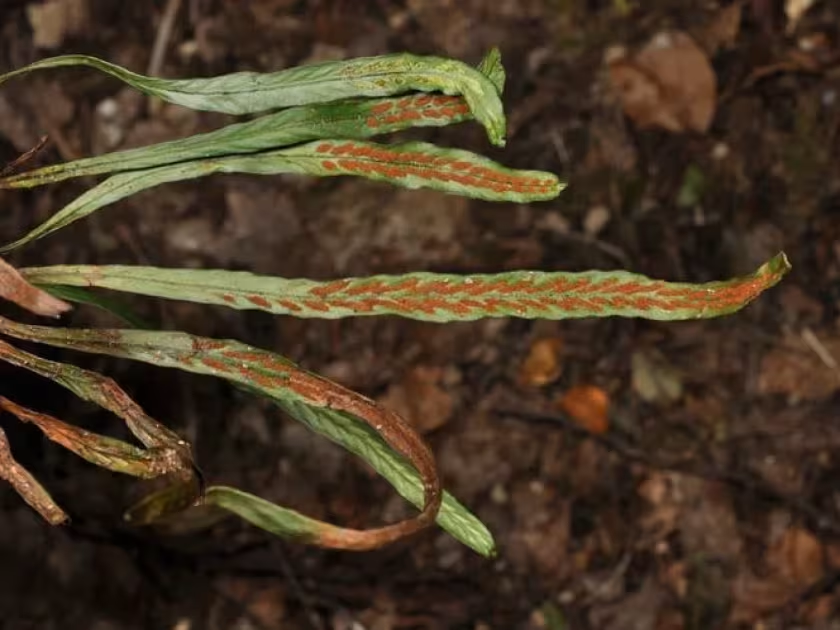
Description
Growing requirements
Grammitis basalis is a delicate epiphytic fern species belonging to the Polypodiaceae family. It naturally inhabits the bark of tropical trees, utilizing the environment to capture nutrients and moisture directly from the air and atmospheric precipitation.
The plant requires high levels of atmospheric humidity to thrive. In its natural range, it is typically found in cloud forests where continuous mist ensures the plant remains hydrated, preventing its fronds from drying out.
Cultivation requires a specialized, well-draining substrate that mimics natural bark crevices. Materials such as shredded tree fern fiber, pine bark, or live sphagnum moss are essential to provide optimal aeration for the roots.
Lighting should be kept at a low to moderate intensity, strictly avoiding direct sunlight. Exposure to strong UV rays can quickly damage the sensitive chlorophyll-bearing tissues of the fronds, leading to irreversible browning.
The botanical structure is marked by simple, lanceolate fronds emerging from a compact, creeping rhizome. It is not considered an agricultural crop in the traditional sense, but it remains a subject of botanical interest and rare collections.
Main diseases and pests
The primary threat to Grammitis basalis populations is habitat fragmentation due to deforestation. As an obligate epiphyte, the loss of host trees results in the immediate loss of the niche required for the plant's survival.
Pathogen risks in controlled environments include various fungal infections that manifest as root or crown rot. These conditions are almost exclusively linked to poor drainage and waterlogged growing media.
Pests such as mealybugs and spider mites are known to infest the fronds, especially in conditions where air circulation is poor or humidity is inconsistent. These pests weaken the plant, making it prone to secondary infections.
Sensitivity to chemical fertilizers and pesticides is a major concern. Due to the lack of a heavy cuticle, the plant absorbs substances rapidly, meaning that incorrectly diluted chemicals can lead to rapid phytotoxicity.
Regular maintenance is required to prevent the accumulation of dust or debris on the leaves, which can interfere with gas exchange. Maintaining consistent, slightly acidic pH levels in the substrate is also vital for long-term health.