
Grammitis ciliata
Grammitis ciliata
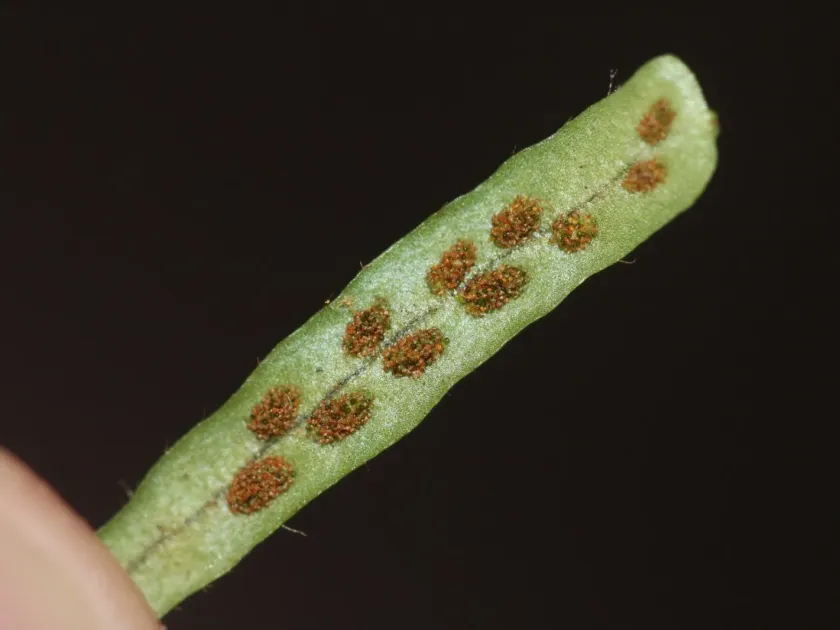
Description
Growing requirements
Grammitis ciliata is a miniature epiphytic fern belonging to the Polypodiaceae family. It naturally inhabits high-altitude tropical forests, where it thrives on tree bark, moss-covered branches, and rocky crevices, utilizing high humidity levels characteristic of its environment.
The botanical classification of this species is based on its distinct leaf morphology, specifically the ciliate margins that help in moisture management. This feature is a key identification marker for taxonomists and botanists studying tropical fern diversity.
Cultivating Grammitis ciliata requires a microclimate that closely mimics the cloud forest conditions. The plant demands high atmospheric humidity and constant, gentle air circulation to prevent stagnant moisture from causing damage to the fronds or root system.
The substrate must be epiphytic in nature, providing excellent drainage and aeration. Ideal growing media include untreated cork bark, fern plaques, or specialized mixes containing sphagnum moss and perlite to maintain the necessary moisture retention without becoming waterlogged.
Temperature requirements are generally cool to intermediate, typically ranging from 15 to 22 degrees Celsius. It is crucial to avoid extreme heat spikes and direct sunlight, as the plant is specifically adapted to the low-light intensities found under the forest canopy.
Main diseases and pests
The most significant threats to the health of this species are pathogenic fungi, particularly those causing root rot. Excessive moisture combined with poor ventilation creates an environment prone to fungal infections that can quickly lead to the death of the epiphytic plant.
Insect pests, including mealybugs and spider mites, are frequent threats to this fern. Their presence is usually linked to overly dry air conditions or poor hygiene practices. Management requires prompt detection and the application of mild, plant-safe control methods.