
Fuchsia triphylla
Fuchsia triphylla L.
Description
Growing requirements
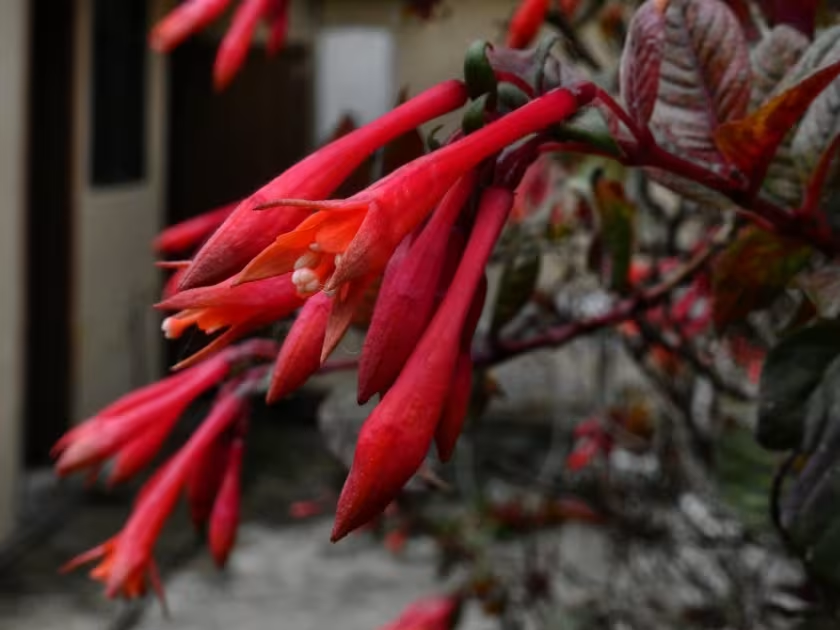
Fuchsia triphylla L., a member of the Onagraceae family, is a distinct species native to the Caribbean, specifically the island of Hispaniola. Unlike common hybrid fuchsias, this species features a unique growth habit characterized by whorled leaves and long-lasting, tubular orange-red flowers.
The plant thrives in subtropical conditions, requiring consistent warmth and high humidity. An optimal temperature range is between 18°C and 24°C; temperatures below 10°C can cause metabolic stress, while excessive heat leads to floral drop and general decline of the plant tissue.
For successful cultivation, the growing medium must be porous, well-draining, and rich in organic matter. A substrate consisting of peat, leaf mold, and perlite or coarse sand is recommended to prevent root suffocation, which is a common failure point for this specific cultivar.
Regarding light, Fuchsia triphylla requires bright, indirect light to maintain its vivid foliage coloration and encourage blooming. Direct midday sun should be avoided to prevent foliar scorching and dehydration, especially in greenhouses or sheltered outdoor environments.
The botanical structure of the plant makes it well-suited for container gardening. Its semi-woody stems require occasional pruning to maintain a bushy shape, while the specific arrangement of its leaves—in whorls of three—distinguishes it from other popular garden fuchsia hybrids.
Main diseases and pests
Fuchsia triphylla is particularly susceptible to whitefly infestations, which can be difficult to manage in greenhouse conditions. These pests suck sap from the underside of leaves, leading to weakened growth and potential transmission of viral diseases among the plants.
Spider mites represent another primary threat, thriving in dry indoor environments where the air humidity is insufficient. Infested leaves exhibit a stippled appearance, turning yellow and eventually dropping off if the infestation is not treated promptly with miticides.
Botrytis cinerea, or gray mold, often affects the plant under cool, damp conditions with poor air circulation. The fungus manifests as fuzzy gray growth on flowers and leaves, necessitating better ventilation and the removal of infected plant tissue to stop the spread.
Root rot, primarily caused by Pythium species, occurs when the soil remains waterlogged for extended periods. This condition often results in sudden wilting, even if the soil appears moist, requiring careful monitoring of irrigation practices to ensure the roots remain oxygenated.
Integrated Pest Management (IPM) is the most effective approach for maintaining healthy Fuchsia triphylla crops. This includes using clean tools, practicing strict hygiene in the cultivation area, and employing biological controls such as predatory mites to manage pest populations before they become overwhelming.