
Hardy fuchsia
Fuchsia magellanica Lam.
Description
Growing requirements
Hardy fuchsia (Fuchsia magellanica) is a perennial woody shrub belonging to the Onagraceae family. Originating from the temperate zones of South America, specifically Chile and Argentina, this species has gained popularity globally due to its remarkable resilience and long-lasting floral displays.
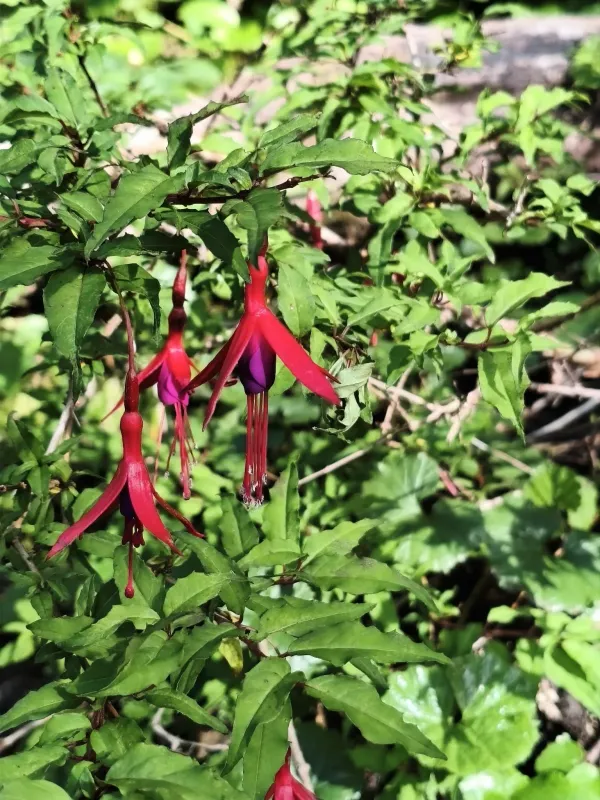
Botanically, the plant is characterized by its slender, arching stems and distinctive pendant flowers with vibrant red sepals and purple petals. Depending on the variety and local climate, the shrub can reach heights of several feet, creating a graceful architectural element in any garden landscape.
Successful cultivation requires a location that provides partial shade, especially during the peak heat of the afternoon. While the plant can tolerate a variety of environments, it thrives best when protected from harsh winds and freezing temperatures by building a mulch layer around the base during winter.
The ideal growing medium is a rich, well-draining soil that remains consistently moist but not waterlogged. Regular application of a balanced fertilizer during the growing season is essential to support the prolific production of blooms that define the aesthetic value of this horticultural species.
In terms of usage, Fuchsia magellanica is highly valued as a hedging plant, a focal point in borders, or as part of a sophisticated container garden. Its ability to regenerate from the base each spring makes it a reliable choice for gardeners in zones where more tender fuchsia varieties would fail.
Main diseases and pests
The primary pests affecting this crop include common greenhouse pests such as whiteflies and aphids, which often congregate on the undersides of leaves. Integrated pest management strategies, including the use of neem oil or horticultural soaps, are recommended to maintain plant health without damaging the ecosystem.
Fungal issues, such as rust or gray mold (Botrytis), may occur if air circulation is poor or if the foliage remains wet for extended periods. Pruning to improve airflow and avoiding overhead watering are effective cultural practices that significantly reduce the risk of these common pathogens.