
Magellan fuchsia Riccartonii
Fuchsia magellanica Lam. var. ‘Riccartonii’
Description
Growing requirements
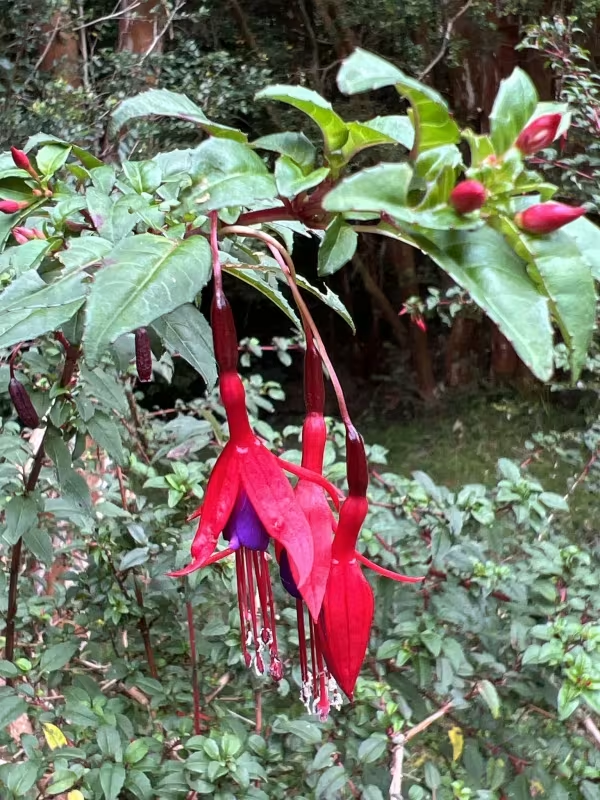
Magellan fuchsia Riccartonii (Fuchsia magellanica var. Riccartonii) is a hardy deciduous shrub belonging to the Onagraceae family. It is widely recognized for its robust nature and ability to withstand cooler climates compared to other fuchsia species.
The plant thrives in partial shade conditions. Exposure to intense, direct sunlight, especially in the afternoon, can cause leaf scorch and dehydration, making sheltered positions in the garden highly desirable.
Cultivation requires well-draining, nutrient-rich soil with a slightly acidic to neutral pH. Incorporating organic compost during planting significantly improves growth rates and the overall vitality of the shrub.
Watering management is essential, particularly during the flowering season. The soil should remain consistently moist but never waterlogged, as poor drainage often leads to root development issues.
Landscape professionals use this cultivar for hedges, borders, and as a structural element in cottage gardens. Its arching stems and pendulous, deep red and purple flowers provide high ornamental value throughout the summer.
Main diseases and pests
Common pests affecting this culture include whiteflies and spider mites. These insects tend to thrive in dry conditions and can rapidly multiply if the plant's humidity levels are not properly maintained.
Fungal pathogens such as gray mold (Botrytis) and rust can appear if there is inadequate air circulation around the foliage, especially in dense or overcrowded plantings.
Root rot caused by Phytophthora species is a major threat if soil aeration is compromised. Ensuring a loose, well-draining substrate is the primary preventive measure.
Pest control should involve integrated management strategies, including the use of neem oil or targeted insecticides when the initial signs of infestation appear.
Regular sanitation of the garden area, including removing dead leaves and clearing debris, helps minimize the overwintering of pathogens and harmful insect populations.