
Japanese kumquat
Fortunella japonica
Description
Sowing dates
The Japanese kumquat (Fortunella japonica) is a slow-growing, evergreen fruit tree belonging to the Rutaceae family. In agricultural and horticultural practice, it is primarily propagated through grafting onto suitable citrus rootstocks to ensure disease resistance and earlier fruiting.
Seed propagation is typically reserved for breeding or research purposes, as seedlings do not consistently retain the characteristics of the parent plant. Seeds should be sown immediately after removal from the fruit into a well-draining, nutrient-rich potting medium.
Cuttings are another viable method of propagation, provided that environmental conditions such as humidity and bottom heat are carefully controlled. Using rooting hormones significantly increases the success rate of propagation from softwood cuttings.
The species is best suited for subtropical climates where frost is minimal. In regions with harsher winters, it must be grown in containers and moved indoors or into greenhouses to protect it from temperatures below -10°C.
Proper container planting requires a high-quality drainage layer at the bottom of the pot to prevent waterlogging. A slightly acidic to neutral soil pH is ideal for the uptake of essential micro-nutrients required for robust growth.
Growing requirements
The Japanese kumquat thrives in bright, direct sunlight and requires at least 6–8 hours of light per day for optimal health. In indoor settings, supplemental LED lighting is often necessary during winter months to prevent leggy growth.
Temperature management is crucial: the tree prefers 20–30°C during the growing season. A cooler dormant period with temperatures between 12°C and 15°C is essential to initiate flower bud formation for the following year.
Watering should be frequent but cautious; the soil surface should be allowed to dry slightly between waterings. Overwatering is the most common cause of root rot, while chronic underwatering leads to leaf drop and fruit shriveling.
Maintaining high relative humidity is vital for this species, particularly when grown indoors. Regular misting, the use of pebble trays with water, or an electronic humidifier can help mitigate the drying effects of central heating.
Balanced NPK fertilizers enriched with iron, magnesium, and zinc are recommended for consistent nutrition. Feeding should be concentrated during the active growth phase, tapering off as the tree enters dormancy.
Yield
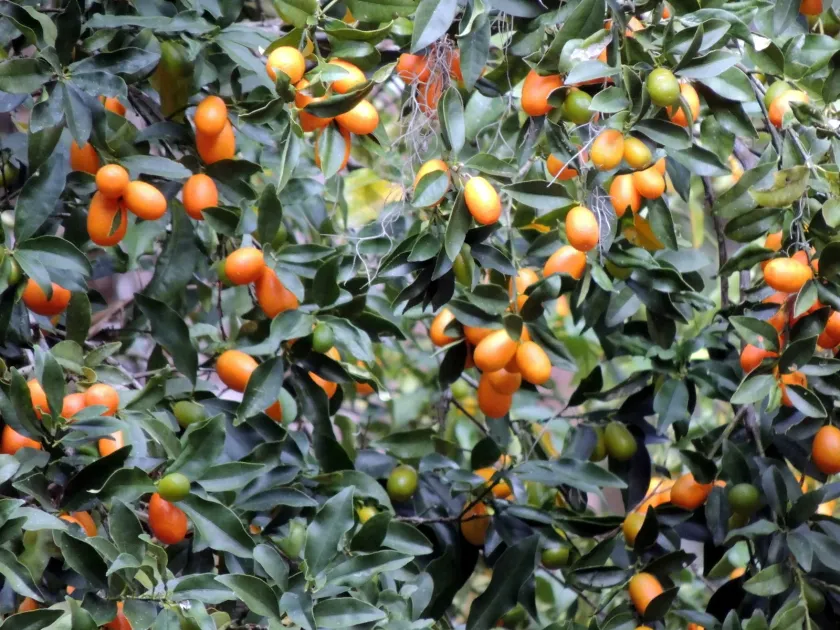
The Japanese kumquat produces small, round, orange-colored fruits that are prized for being edible skin-and-all. Yield capacity depends heavily on tree maturity, light exposure, and the efficacy of pruning practices.
A well-maintained, mature tree can produce a prolific crop. Fruiting usually commences 2–3 years after grafting, compared to a much longer timeline for seed-grown specimens.
The fruit has significant culinary value, widely used in fresh consumption, marmalades, glazes, and as a garnish for high-end desserts. Its rind contains aromatic essential oils that provide a unique citrus flavor profile.
Beyond its culinary utility, the kumquat is a popular ornamental choice for patio gardening and greenhouse displays. Its glossy evergreen foliage and vibrant fruits make it a highly aesthetic addition to any space.
Consistent fruit production is supported by regular light pruning, which opens the canopy to sunlight. Proper aeration of the inner branches also plays a key role in preventing the fruit from ripening unevenly.
Main diseases and pests
Common pests include scale insects, spider mites, and mealybugs. These pests thrive in dry indoor conditions and can cause significant damage to leaves and young shoots if left unchecked.
Fungal diseases, such as anthracnose and root rot, are the most common threats to the tree's health. These are usually symptoms of improper drainage, poor air circulation, or excessive humidity around the root zone.
Integrated pest management, including the use of neem oil or horticultural soaps, is the safest approach for household trees. Chemical pesticides should be used as a last resort, strictly observing pre-harvest intervals.
Chlorosis, indicated by yellowing leaves with green veins, is a common nutritional disorder caused by iron deficiency or an incorrect soil pH. This can be corrected through chelated iron supplements and soil amendments.
Regular inspection of the undersides of leaves is essential for early detection of infestations. A clean growing environment with good air exchange drastically reduces the risk of pest outbreaks and fungal spores.
Harvesting
Harvesting should occur when the fruits reach a deep, vibrant orange color. Fruits do not ripen further once picked, so timing the harvest for peak color and sweetness is critical for quality.
Individual fruits should be harvested using sharp, clean snips or small pruning shears to ensure a clean cut. Pulling the fruit off by hand can cause damage to the fragile branches and lead to secondary infections.
After picking, the fruit should be kept in a cool, well-ventilated area. They can be stored in the refrigerator to extend their shelf life for several weeks without losing significant flavor or texture.
The staggered ripening of the fruit allows for a continuous harvest over a period of several weeks. This extended harvest season is a highly desirable trait for home gardeners.
Post-harvest care involves a light cleaning of the canopy and monitoring for any signs of physical damage to the tree. Ensuring the tree has adequate rest immediately after a large harvest is important for long-term health.