
Fortunella hindsii
Fortunella hindsii
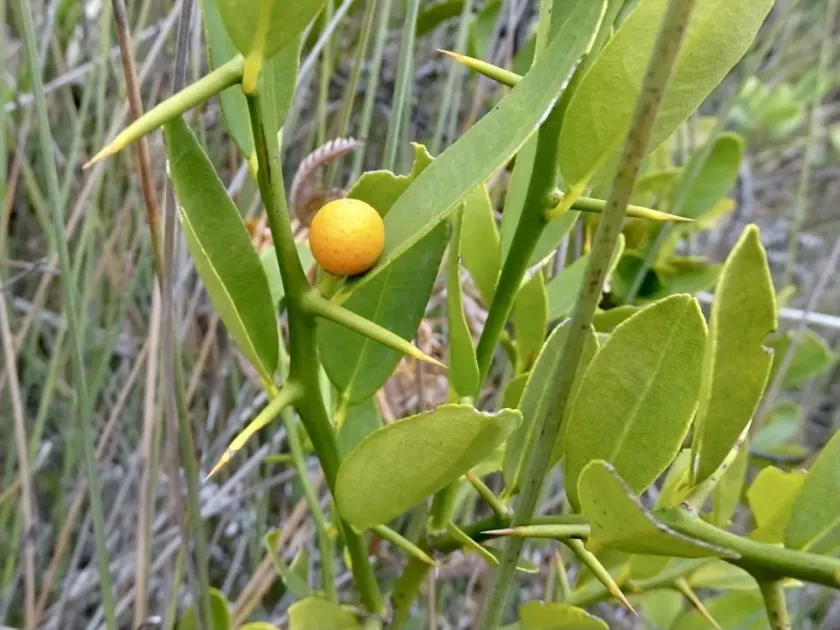
Description
Sowing dates
Propagation of Fortunella hindsii is typically achieved through seeds, which must be sown fresh to ensure the highest possible rate of germination success.
The seeds require a well-draining, sterile potting medium and should be kept consistently moist in a warm environment until the seedlings are strong enough for transplanting.
Spring is the most favorable season for sowing, as the increasing natural light levels promote vigorous early growth and help seedlings establish their root systems.
Grafting onto more vigorous citrus rootstock is also a common professional practice to shorten the time until the tree reaches its maturity and begins fruiting.
Young plants should be handled with care during the first year, avoiding direct exposure to harsh midday sun and keeping them protected from sudden temperature drops.
Growing requirements
Fortunella hindsii, commonly known as the Hong Kong kumquat, is a small, evergreen shrub belonging to the Rutaceae family and is highly prized for its beauty.
The plant thrives in bright, indirect light and requires a stable environment to prevent stress, which can lead to leaf drop or an increased susceptibility to pests.
A soil mix designed for citrus, characterized by excellent aeration and a slightly acidic pH, is essential for maintaining healthy roots and optimal nutrient absorption.
Consistent temperature regulation is vital, as this species is sensitive to cold drafts and should ideally be kept away from heating or cooling vents in indoor settings.
Humidity management is a critical aspect of care; regular misting or the use of a pebble tray helps maintain the moisture levels that the plant needs to flourish.
Yield
In a home or container environment, the yield of Fortunella hindsii is relatively small compared to other citrus species, serving primarily as an ornamental feature.
The fruits are tiny, rarely exceeding 2 centimeters in diameter, and are known for their vibrant orange color which contrasts beautifully with the dark green foliage.
While the fruit is edible, it is often utilized more for its aesthetic value, providing a unique look to the tree throughout the late autumn and winter seasons.
Consistent fertilization with a balanced citrus-specific fertilizer throughout the growing season is necessary to support both plant health and potential fruit production.
Proper pruning after the fruiting season helps shape the canopy and encourages the development of new flowering wood, which can increase the subsequent year's yield.
Main diseases and pests
Common pests affecting Fortunella hindsii include spider mites, scale insects, and mealybugs, which thrive in the low-humidity conditions found in many households.
Root rot is the most prevalent disease, usually caused by overwatering or poor drainage that prevents oxygen from reaching the plant's delicate root system.
Regular monitoring of the undersides of the leaves is the best defensive strategy for early detection of pest infestations, allowing for immediate and targeted action.
To prevent disease, it is essential to sterilize all pruning equipment and ensure that any new plant brought into the collection is properly quarantined first.
When chemical treatment is required, ensure the product is labeled safe for citrus plants and follow all application instructions to protect the tree from foliage burn.
Harvesting
Harvesting should be performed by carefully clipping the fruit from the branches once they have developed a uniform and deep orange color on their surface.
Avoid pulling the fruit directly, as this can easily strip the thin bark from the stems, creating an entry point for various pathogens and causing long-term damage.
After harvest, the fruit can be stored in the refrigerator for a short period, although it is best enjoyed shortly after picking for the freshest flavor and aroma.
Because the fruits are so small, they are often used whole in gourmet cooking, candied, or added to hot beverages to impart their distinct citrus characteristics.
Once all fruit has been removed, it is the perfect time to evaluate the health of the tree and make any necessary adjustments to the watering or feeding schedule.