
Fortunella hybrids
Fortunella hybrids
Description
Growing requirements
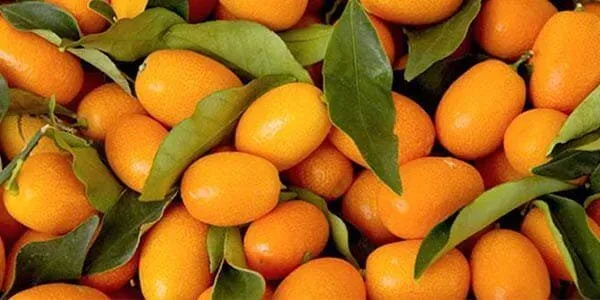
Fortunella hybrids are intergeneric crosses belonging to the Rutaceae family, resulting from the hybridization of kumquats with various citrus species. These plants are characterized by their evergreen nature, compact growth habit, and high ornamental value, making them ideal for both indoor and outdoor cultivation.
Originating from the subtropical regions of East Asia, these hybrids thrive in climates that offer distinct seasonal changes but remain frost-free. In cultivation, they are highly adaptable, provided that their specific needs for light, temperature, and nutrition are met.
The ideal environment requires bright, filtered sunlight. Exposure to direct midday sun during the height of summer can be detrimental, leading to leaf scorching, while insufficient light levels will significantly reduce fruit production and cause the plant to become leggy.
Soil quality is paramount; these plants require a well-draining, slightly acidic medium. A blend of peat, perlite, and organic compost is recommended to ensure both moisture retention and adequate aeration for the sensitive root system, preventing waterlogging.
Proper agricultural practices involve a consistent fertilization schedule using high-potassium citrus fertilizers during the growing season. Additionally, regular pruning is necessary to maintain a desired shape and encourage new growth, which is essential for consistent fruit yields.
Main diseases and pests
The health of Fortunella hybrids can be threatened by common citrus pests, most notably spider mites and scale insects. These pests thrive in dry, stagnant air, emphasizing the need for good ventilation and occasional misting of the foliage.
Mealybugs represent another significant concern, often congregating in leaf axils where they sap energy from the plant. Manual removal combined with horticultural oil applications is an effective method of control without damaging the plant's delicate fruit.
Fungal diseases, such as citrus scab or anthracnose, can affect both the leaves and the developing fruit. These usually present as dark, necrotic spots and are often the result of prolonged periods of high humidity combined with poor air circulation.
Root rot is perhaps the most serious threat, usually occurring due to overwatering. If symptoms appear, the plant must be removed from its pot, and affected roots should be pruned before repotting into a sterile, fresh growing medium.
To mitigate these threats, it is vital to maintain a hygienic environment, promptly removing any fallen leaves or dead branches, and ensuring that the plant is not overcrowded by other foliage.
Harvesting
Harvesting Fortunella hybrids is a rewarding process, as these fruits are typically consumed whole, including the sweet rind which provides a unique contrast to the acidic pulp. Fruits should be picked only when they are fully colored to ensure the best flavor profile.
The harvest is conducted by carefully clipping the fruits with a small portion of the stem. This technique prevents tearing of the rind, which is essential for maintaining the quality and shelf-life of the fruit post-harvest.
Commercially and domestically, these fruits are highly prized for preserves, marmalades, and candied treats. The high essential oil content in the skin makes them an excellent choice for flavoring spirits and artisanal confectionery.
Beyond their culinary uses, the essential oils are extracted for various health and wellness applications, valued for their pleasant aroma and potential antioxidant properties.
In landscape design, these hybrids serve as focal points in greenhouses and conservatories. Their ability to bear fruit while in a container makes them a staple for hobbyist gardeners interested in cultivating rare and exotic citrus varieties.