
Ferulago trachycarpa
Ferulago trachycarpa
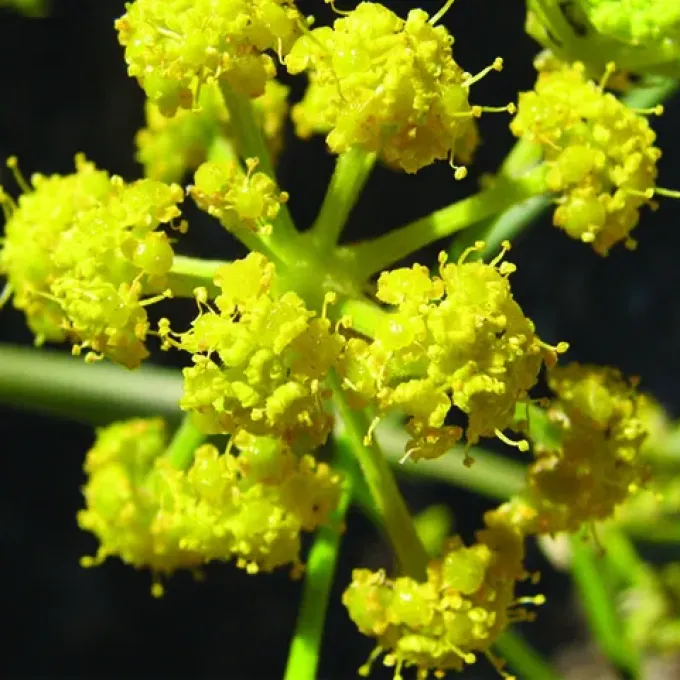
Description
Growing requirements
Ferulago trachycarpa is a perennial herbaceous plant belonging to the Apiaceae family. It is natively adapted to steppe and semi-arid environments, making it a robust species capable of thriving in challenging conditions where other crops might fail.
The plant requires full sun exposure and well-drained, porous soil types. Sandy or light loamy soils are ideal, as they prevent water stagnation, which is critical for maintaining the health of the plant's deep taproot system throughout the growing season.
It displays remarkable drought resistance, allowing it to survive in regions with erratic rainfall patterns. This trait makes it a suitable candidate for sustainable agricultural projects in dryland areas where water conservation is a top priority.
Cultivation practices should focus on proper field preparation, including deep subsoiling to facilitate root penetration. While the plant is generally undemanding, early-stage nutrient application can accelerate establishment and biomass production.
Strategic planting density is essential to ensure adequate airflow and sunlight reach each plant. Proper spacing reduces competition for resources, allowing the crop to develop fully during its multi-year life cycle.
Main diseases and pests
The primary threats to Ferulago trachycarpa include fungal infections such as root rot, which typically occur under conditions of excessive soil moisture or poor drainage. Maintaining proper soil moisture levels is the most effective preventative measure.
Soil-borne pests like wireworms can damage the root system, potentially causing stunted growth or plant mortality. Integrated pest management, including crop rotation with non-host species, is highly recommended to manage pest populations effectively.
Aphids may cause damage to the floral parts, impacting seed development and overall vigor. Regular monitoring during the flowering stage allows for the timely application of control measures if pest density exceeds economic thresholds.
Powdery mildew can occur in humid environments or areas with poor air circulation. Ensuring sufficient space between plants is a vital cultural practice to minimize the risk of infection and promote healthy development.
Weed management is most critical during the first year of growth. Once the crop is established, its competitive ability increases, but maintaining a weed-free environment early on is essential for high yields and overall crop health.