
Ferulago sylvatica
Ferulago sylvatica
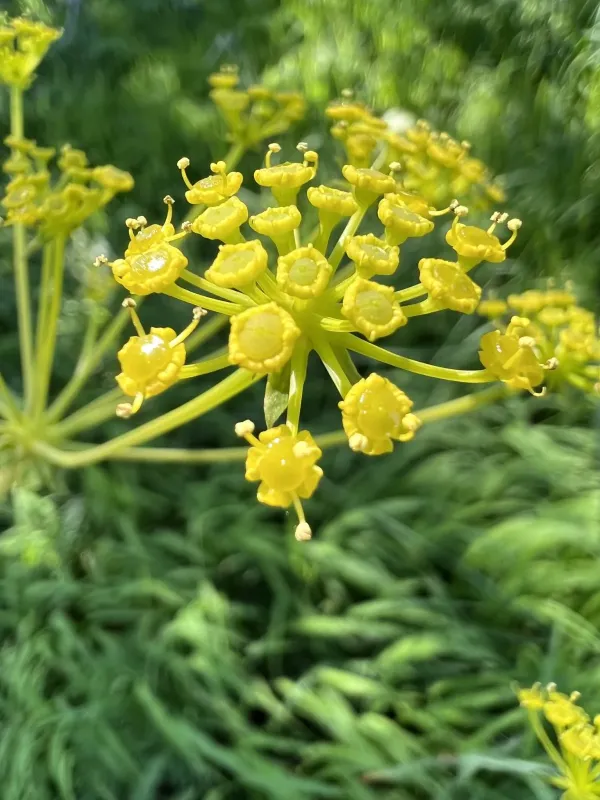
Description
Growing requirements
Ferulago sylvatica is a perennial herbaceous plant belonging to the Apiaceae family. It is recognized for its significant ecological adaptability, thriving naturally in forest edges and meadows across various European regions.
This crop prefers nutrient-rich, well-drained soils. Its robust root system allows it to access deeper soil moisture, providing resilience against dry spells, which is a valuable trait for sustainable fodder production.
Botanically, the plant is characterized by finely dissected foliage and a vigorous growth habit. As a member of the celery family, it produces secondary metabolites that can contribute to the nutritional and phytochemical profile of the forage.
Agricultural cultivation requires careful site selection, avoiding waterlogged zones that may lead to root rot. Optimal development occurs in neutral to slightly alkaline soil conditions with balanced mineral availability.
When incorporating this species into farming practices, it is essential to consider that establishment may be slow. Proper seedbed preparation and initial weed control are crucial for achieving a uniform stand of the crop.
Main diseases and pests
Fungal pathogens such as powdery mildew are the most prevalent threats to Ferulago sylvatica. Effective management involves maintaining proper plant spacing to ensure adequate airflow and humidity control.
Insects, particularly those targeting Apiaceae species, may damage stems or foliage. Regular monitoring during the growth season is necessary to intervene before pest populations reach economic injury levels.
Competition from weeds is a significant challenge during the early stages of plant development. Integrated weed management, including mechanical cultivation, is recommended for organic or conventional setups.
Root-knot nematodes can impact plant health if crop rotation is neglected. Implementing a diverse rotation scheme helps break pest cycles and maintains overall soil vitality.
Preventative measures, such as selecting resistant cultivars and maintaining strict crop hygiene, are the primary pillars of reducing the need for chemical interventions in Ferulago fields.