
Ferulago galbanifera
Ferulago galbanifera
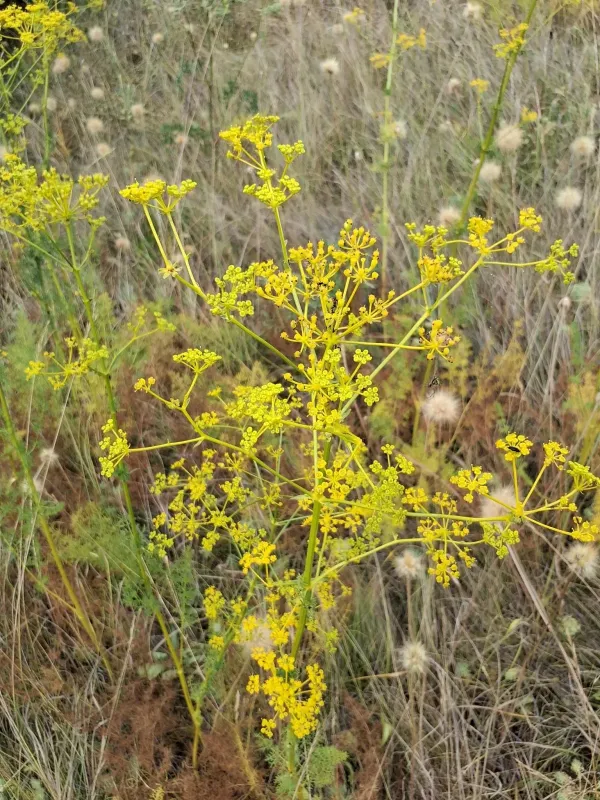
Description
Sowing dates
Sowing Ferulago galbanifera is best performed in late autumn, as the seeds require natural stratification in the soil to break dormancy. For spring planting, seeds must undergo a cold stratification period of 1–2 months at low positive temperatures before sowing.
Seeds are sown in rows with spacing of 45 to 60 cm, allowing sufficient room for the robust root system to develop. The planting depth should be 1.5–2 cm, with consistent soil moisture maintained during the germination phase to ensure success.
The seeding rate is approximately 4–6 kg per hectare, depending on seed viability. During the first year, growth is typically slow, emphasizing the importance of diligent weed control to ensure the young plants are not outcompeted.
Calibrating seeds before sowing can lead to more uniform emergence. Selecting high-quality, certified seeds is essential for establishing a long-lived and productive crop stand.
Maintenance during the first year involves frequent inter-row cultivation to prevent soil crusting. By the second year, the plant grows more vigorously, significantly improving its ability to suppress weeds and compete for nutrients.
Growing requirements
Ferulago galbanifera is a perennial herbaceous plant belonging to the Apiaceae family. Native to European regions, it prefers sunny locations with moderate moisture levels to thrive and develop its full chemical profile.
The crop performs best in deep, well-drained loamy or chernozem soils. It is highly sensitive to waterlogged conditions, so areas with high water tables or poor drainage should be avoided to prevent root damage.
Abundant sunlight is a critical requirement for this plant, as it directly influences the biosynthesis of its aromatic essential oils. The species is relatively frost-tolerant, making it suitable for cultivation in temperate climates.
Good soil aeration is necessary; therefore, deep inter-row cultivation is a standard practice to support root health. Adequate levels of phosphorus and potassium are essential for optimal reproductive growth and seed production.
The ideal soil pH range for Ferulago galbanifera is 6.0–7.5. Implementing a proper crop rotation system is recommended to prevent the buildup of soil-borne pathogens and to maintain long-term soil fertility.
Yield
The primary harvest product of this crop is its seeds, which are prized for their essential oils and coumarin content. On a well-managed plantation, seed yields typically range from 5 to 10 centners per hectare starting from the second or third year.
The plant begins flowering in its second or third year of life, developing tall, complex umbels that carry a large number of seeds. This stage is critical for the accumulation of the target bioactive compounds.
The essential oil extracted from this plant is highly valued for its distinct fragrance and medicinal properties. Harvesting at the peak of technical maturity ensures the highest quality and concentration of volatile components.
While the vegetative mass can be harvested, it must be done with caution to avoid weakening the perennial rootstock. The plant has a relatively slow recovery rate after being cut back.
Maximum yield potential is typically observed between the 3rd and 5th years. After this period, plantations may begin to thin out, and replanting is generally advised to maintain consistent production levels.
Main diseases and pests
Ferulago galbanifera is generally resilient, but excessive humidity can lead to fungal issues such as powdery mildew or root rot. Maintaining proper plant spacing is vital to ensure air circulation and reduce disease pressure.
The primary insect pests include aphids and umbellifer moths, which can damage flowers and foliage. Regular field scouting is necessary to detect infestations early and allow for targeted management.
Weeds are the greatest challenge during the plant's establishment phase. Mechanical inter-row cultivation remains the most effective and eco-friendly method to protect young crops from competitive pressure.
Preventive strategies include proper seed treatment and ensuring optimal stand density. These steps minimize the microclimate conditions that favor the development of fungal infections.
Biopesticides are preferred for pest control, particularly because the plant is frequently used in the pharmaceutical industry, where strict limits on chemical residues are enforced.
Harvesting
Harvesting is performed when seeds reach full maturity. A two-stage harvesting process is often used: mowing into swaths first, followed by threshing to minimize the risk of seed shattering and loss.
Standard combine harvesters can be used, provided they are adjusted for small seeds. Precise calibration of the threshing drum speed is essential to maintain seed integrity and avoid damaging the aromatic oils.
Post-harvest, the seeds must be dried to a moisture content of 10–12%. Proper storage in cool, dry, and dark conditions is required to preserve the quality and longevity of the essential oils.
If vegetative parts are harvested, they should be collected during the flowering stage and dried rapidly in the shade to prevent the loss of volatile essential oil compounds.
Timely harvest is paramount. Delays can result in significant seed loss due to natural shedding, while harvesting too early will lead to poor seed viability and reduced oil content.